Mike's Images
Menü
  • Externer Link wird in einem neuen Tab oder Fenster geöffnet
  • Externer Link wird in einem neuen Tab oder Fenster geöffnet

Planetaries

Click on images to enlarge them (might not work on your smartphone).
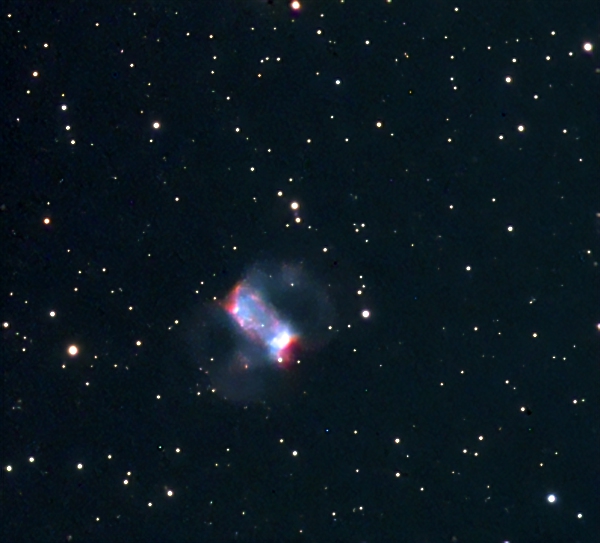


M76 Little Dumbbell
10.2003 MX7c older image
M76 Little Dumbbell 10.2003 MX7c older image
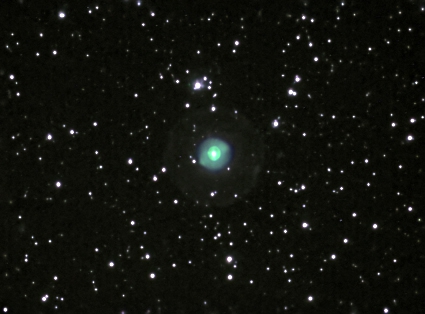
NGC6826 Blinking Planetary
10.2004 MX7c older image
NGC6826 Blinking Planetary 10.2004 MX7c older image
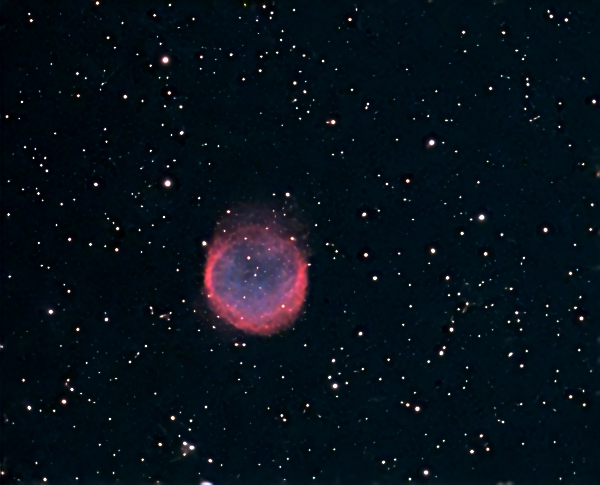
NGC6781 Snowglobe Nebula Aquila
03.2006 MX7c older image
NGC6781 Snowglobe Nebula Aquila 03.2006 MX7c older image
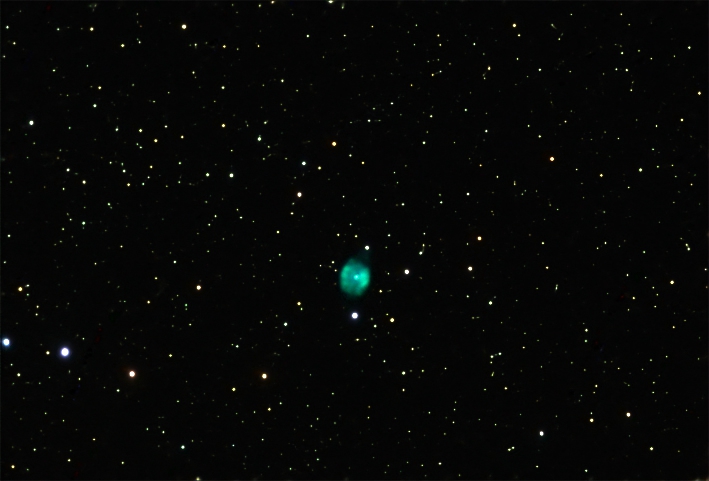
NGC 6886, Sagitta
09.2006, MX7c older image
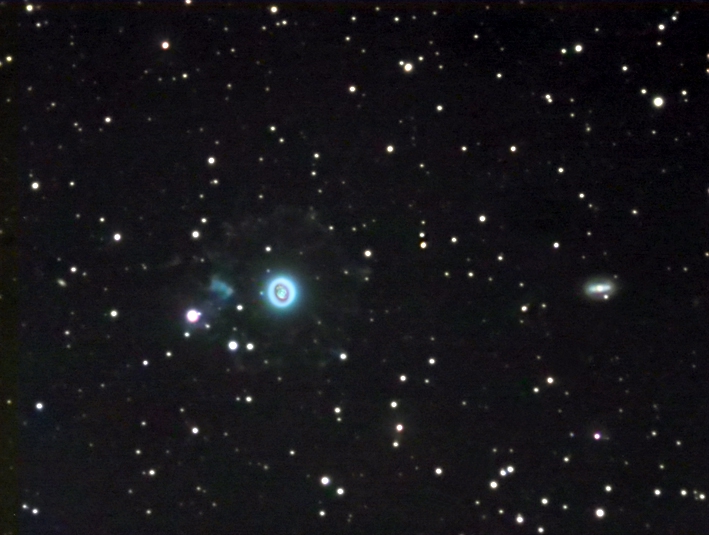
NGC 6886, Sagitta 09.2006, MX7c older image
NGC6543 Cat*s Eye Nebula
08.2008 SXV-H9
Older Image LRGB
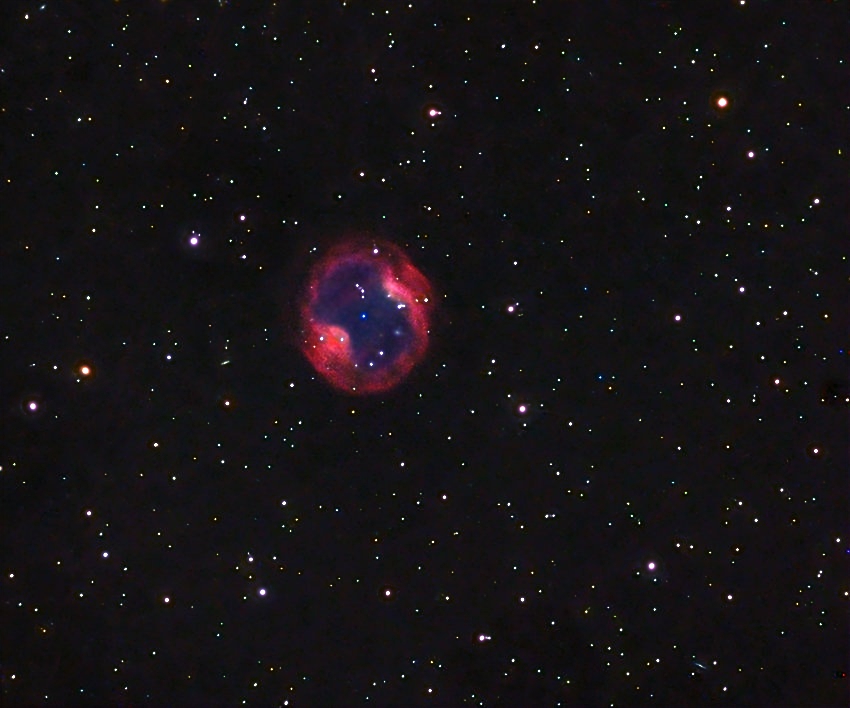
NGC6543 Cat*s Eye Nebula 08.2008 SXV-H9 Older Image LRGB
PK 164+31.1, Jones-Emberson 1, Lynx
20./21.04.2009, 4" TMB,
SXV-H9, HaRGB, 180:45:45:45, binning 1x1
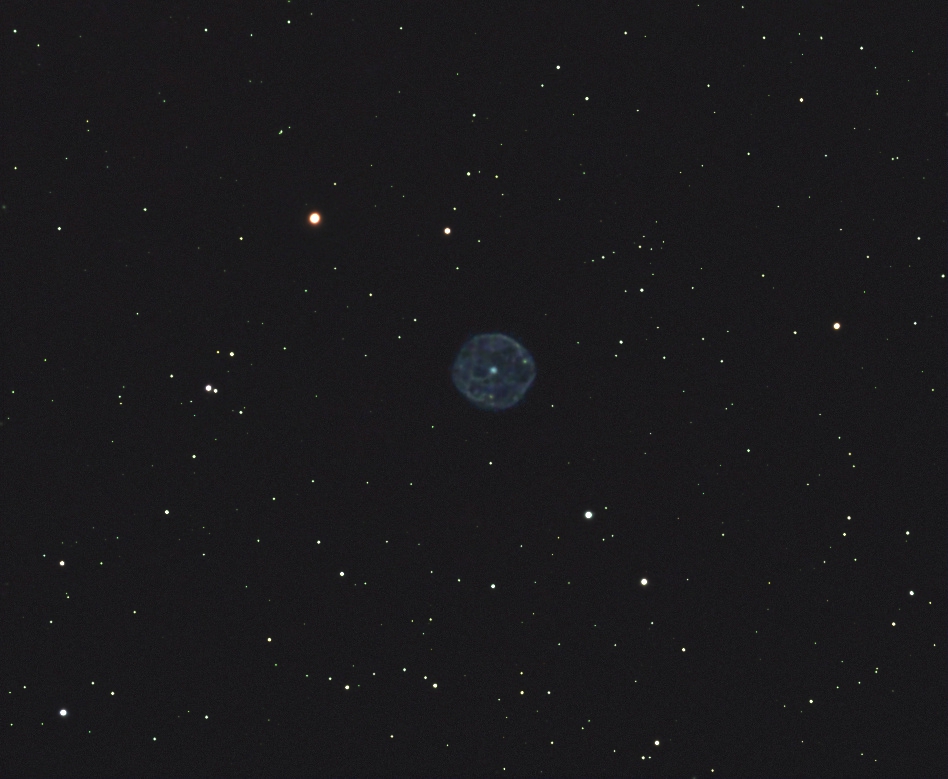
PK 164+31.1, Jones-Emberson 1, Lynx 20./21.04.2009, 4" TMB, SXV-H9, HaRGB, 180:45:45:45, binning 1x1
PK 36+17.1, Abell 43, Ophiuchus
24./27.08.2009, 4" TMB with 2x barlow
SXV-H9, LRGB and Baader Oiii, 12:12:12:12:220 min.
LRGB 3 min. Oiii 15 and 20 min., binned 1x1
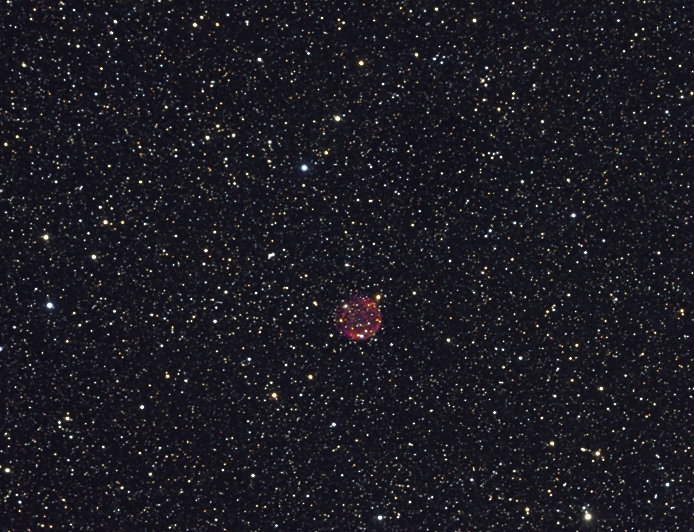
PK 36+17.1, Abell 43, Ophiuchus 24./27.08.2009, 4" TMB with 2x barlow SXV-H9, LRGB and Baader Oiii, 12:12:12:12:220 min. LRGB 3 min. Oiii 15 and 20 min., binned 1x1
Abell 62
10.2009, SXV-H9 older image
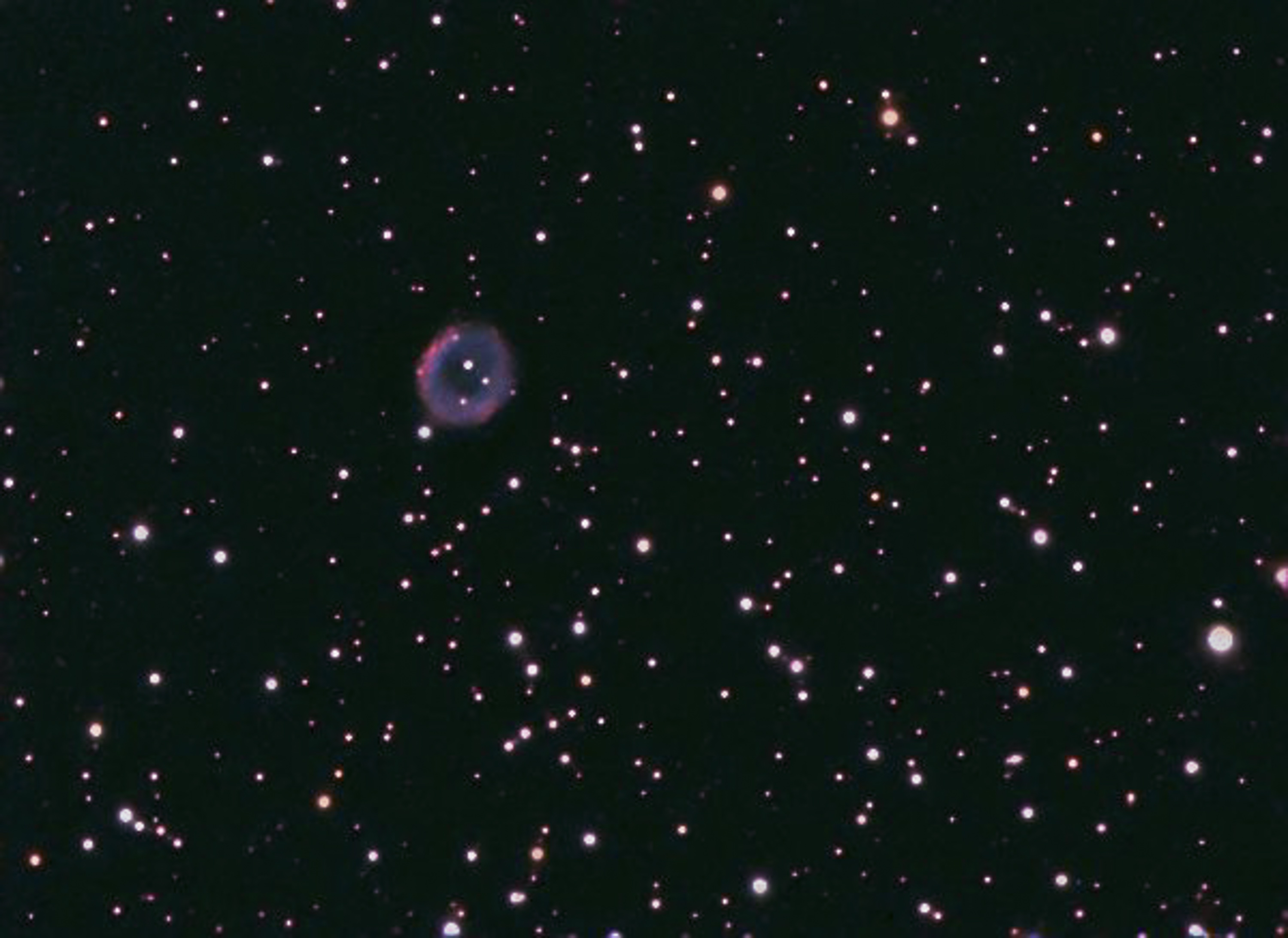
Abell 62 10.2009, SXV-H9 older image
Planetary NGC2438 in M46
01.2011, SXV-H9 older image
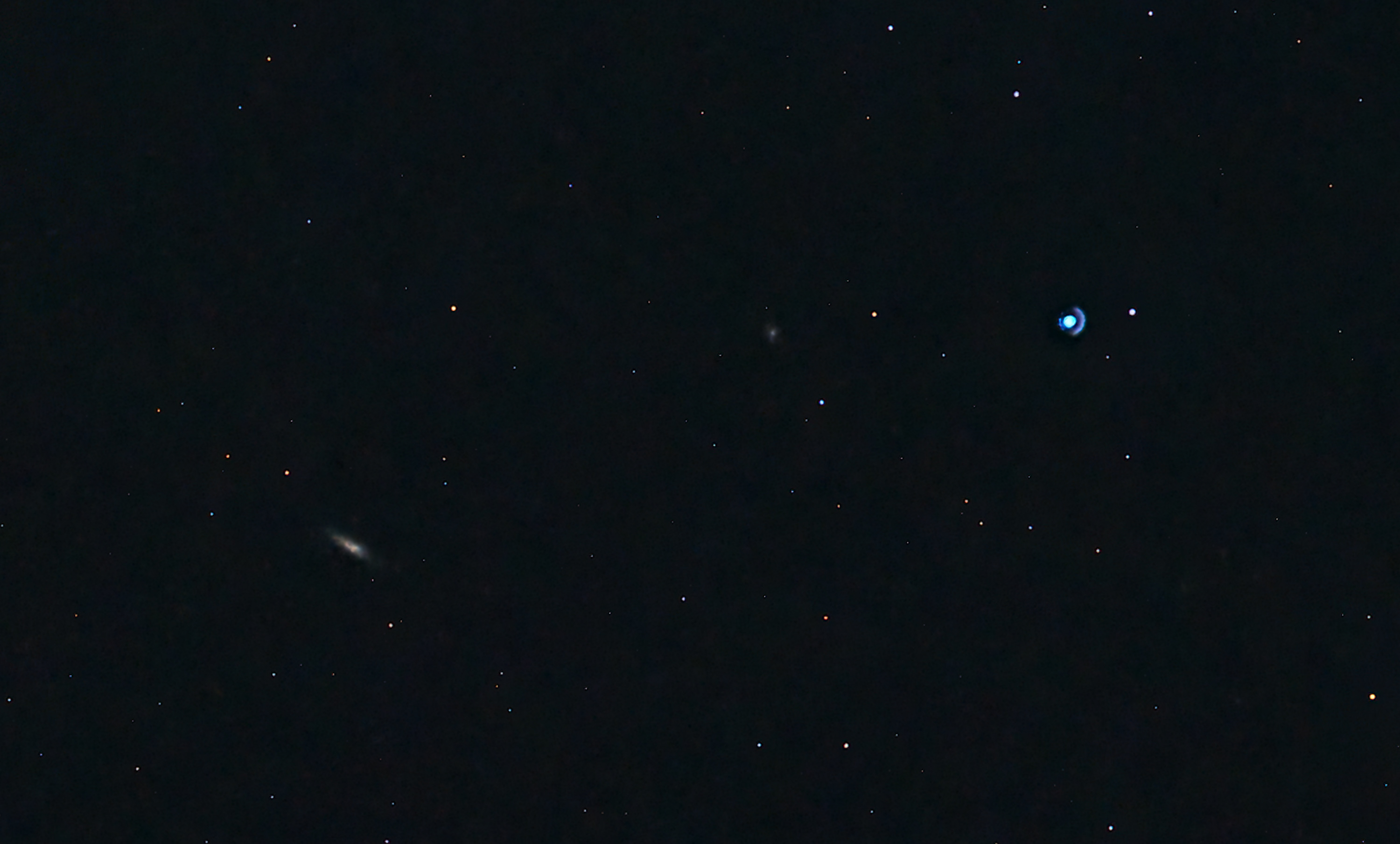
Planetary NGC2438 in M46 01.2011, SXV-H9 older image
Eskimo Nebula NGC2392 in Gemini
D7000, 6x 3min. ISO800, 4"TMB f/6.3
25.03.2020
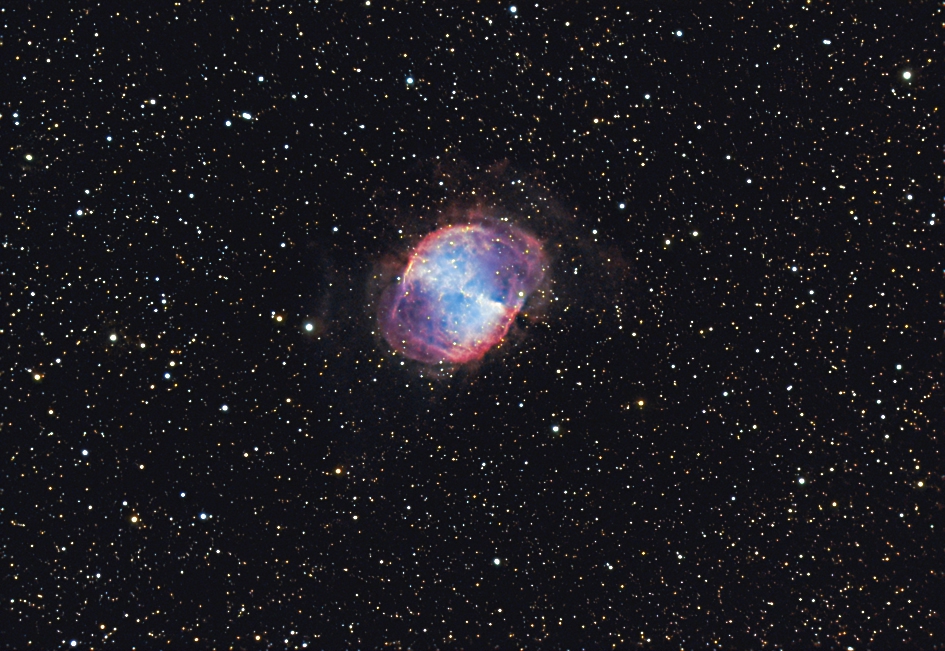
Eskimo Nebula NGC2392 in Gemini D7000, 6x 3min. ISO800, 4"TMB f/6.3 25.03.2020
M27 Dumbbell Nebula
Several yrs. to 02.2021, SXV-H9
Older Image OIIIHaRGBL
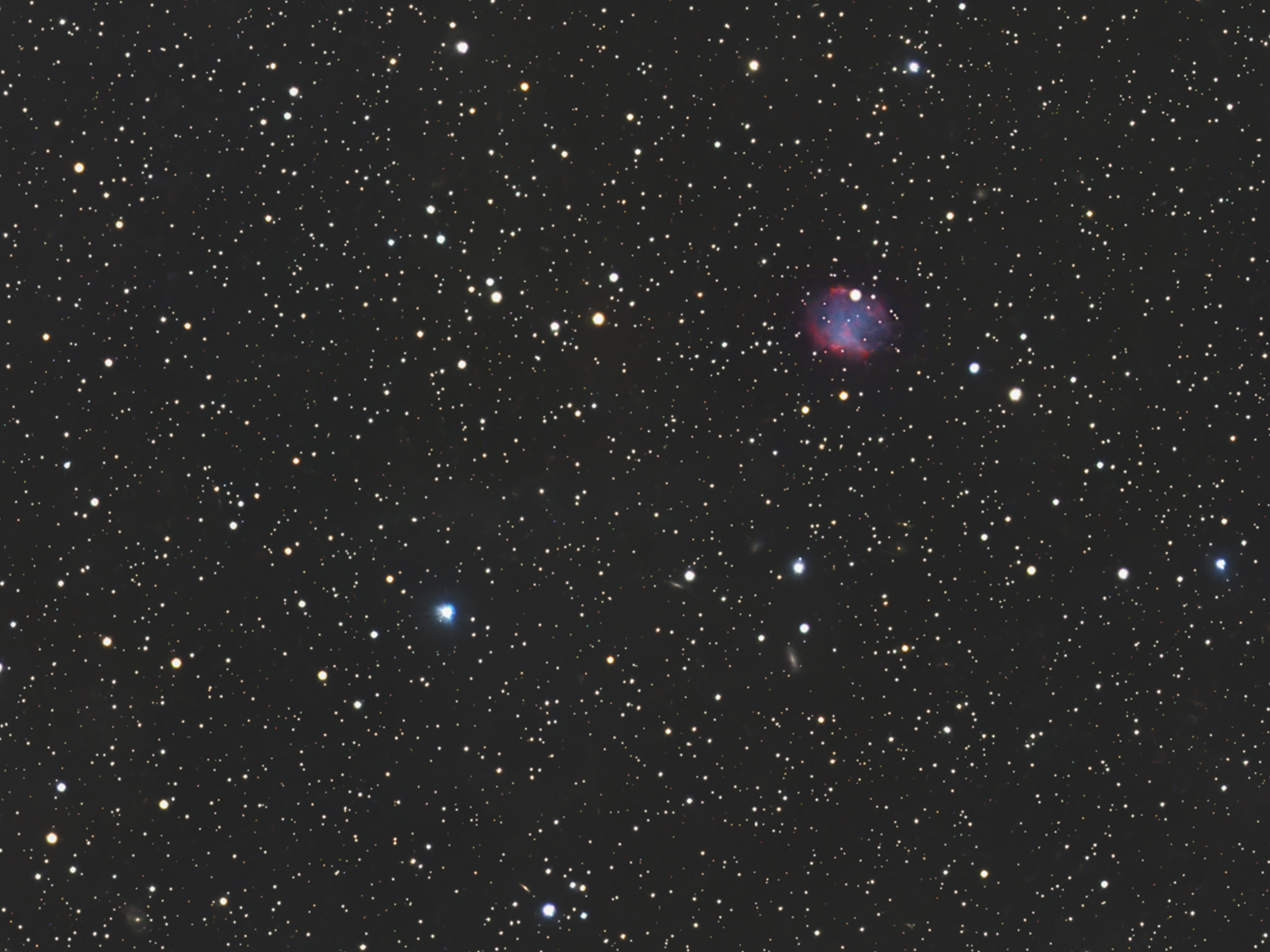
M27 Dumbbell Nebula Several yrs. to 02.2021, SXV-H9 Older Image OIIIHaRGBL
Abell 84 (PK 112-10.1) Cassiopeia.
Nikon D7500a, Nikon 600mm f/4 and
1.4 TC (840mm) at f/5.6., 5.7 hrs. (5' subframes) at
ISO 800, 1st - 3rd of March 2025
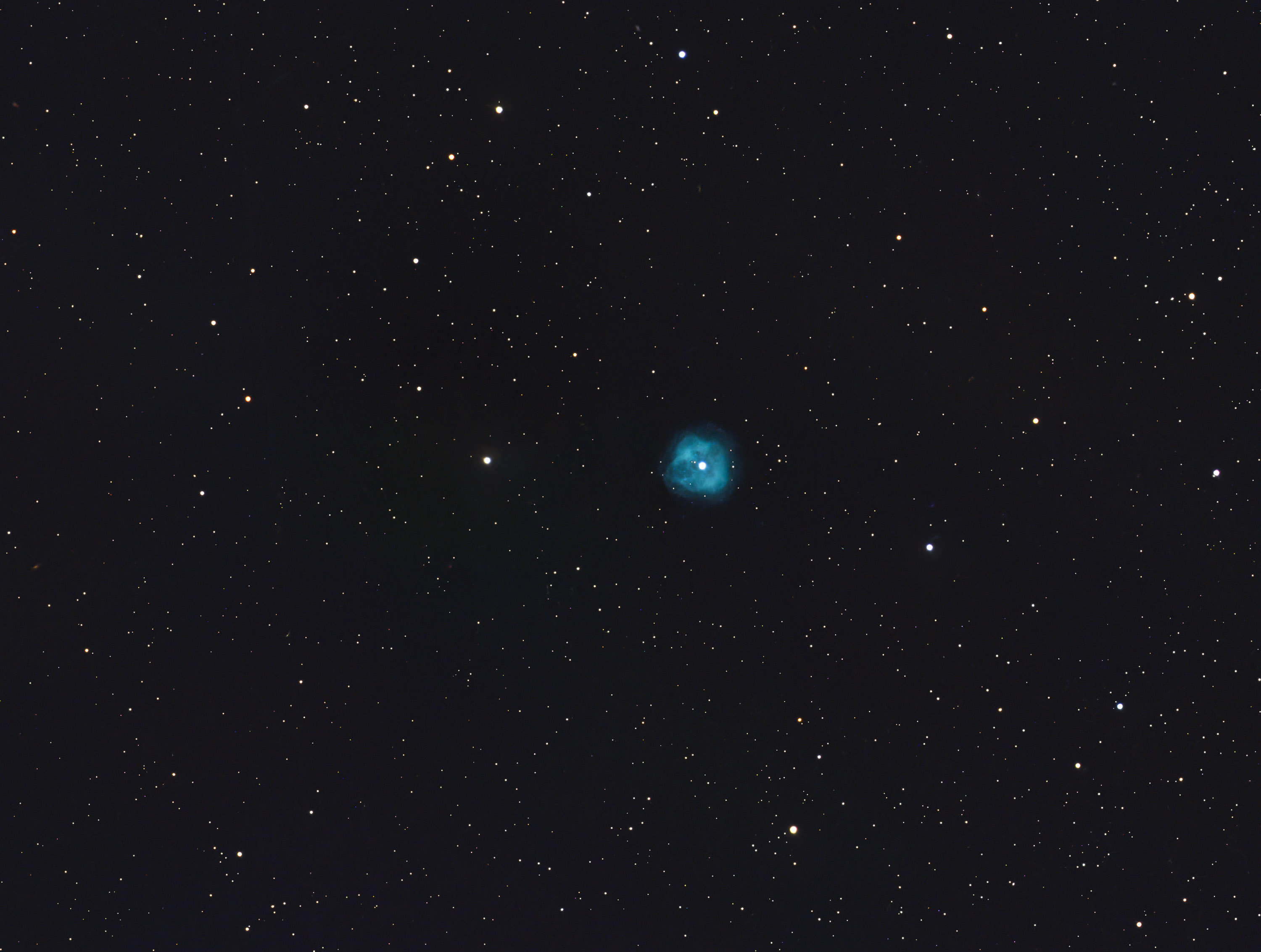
Abell 84 (PK 112-10.1) Cassiopeia. Nikon D7500a, Nikon 600mm f/4 and 1.4 TC (840mm) at f/5.6., 5.7 hrs. (5' subframes) at ISO 800, 1st - 3rd of March 2025
NGC 1514 in Taurus, Crystal Ball Nebula
Nikon D7500a, Nikon 600mm f/4 and 2x TC
(1800 mm f/8), 1 h (5' subframes) at ISO 1600
9th of March 2025
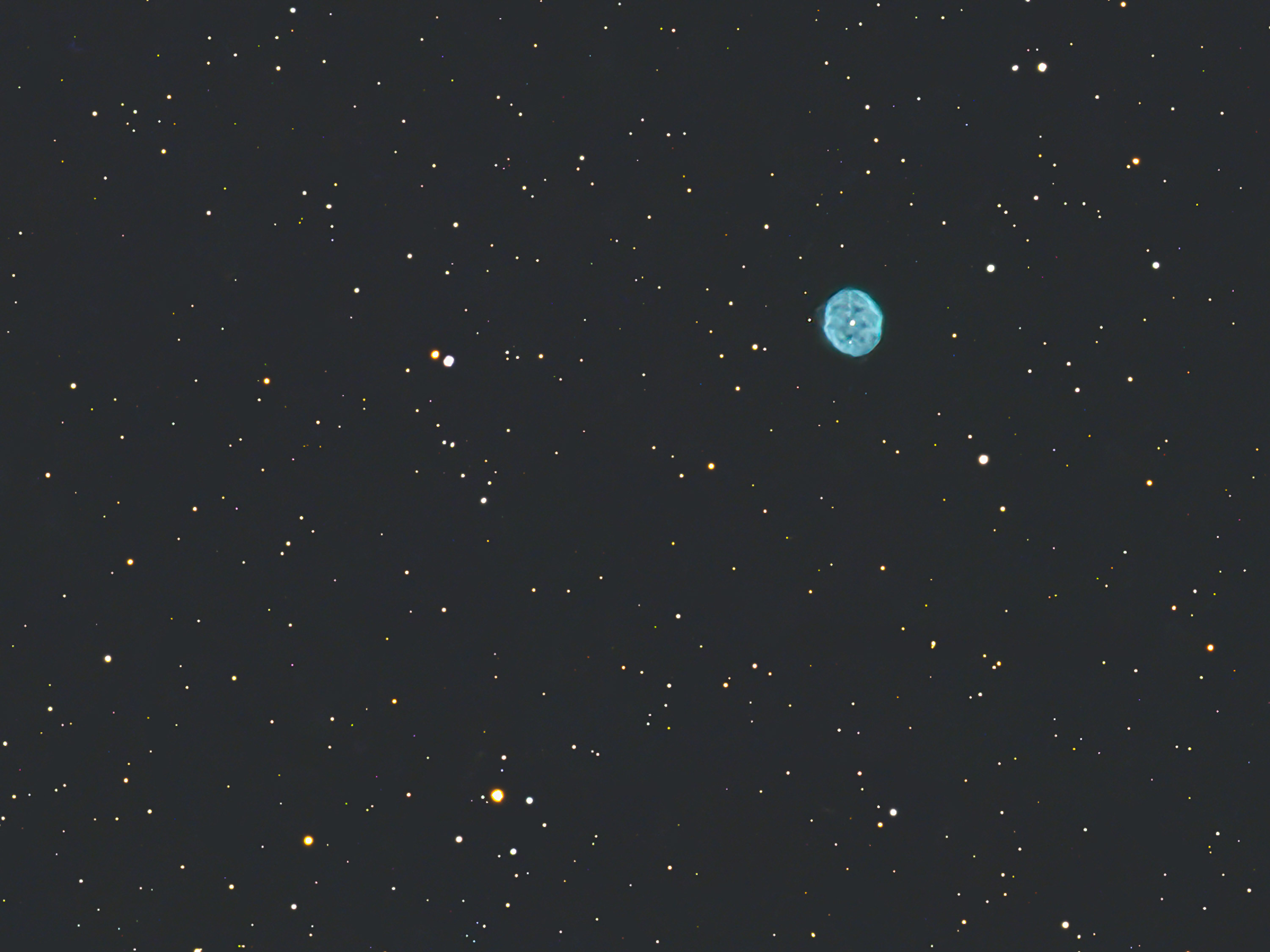
NGC 1514 in Taurus, Crystal Ball Nebula Nikon D7500a, Nikon 600mm f/4 and 2x TC (1800 mm f/8), 1 h (5' subframes) at ISO 1600 9th of March 2025
NGC 1501 in Camelopardalis, Camel's Eye Nebula
Nikon D7500a, Nikon 600mm f/4 and 2x TC
(1800mm f/8), 1h 15 min. (5'subframes) at ISO 1600
11th of March 2025
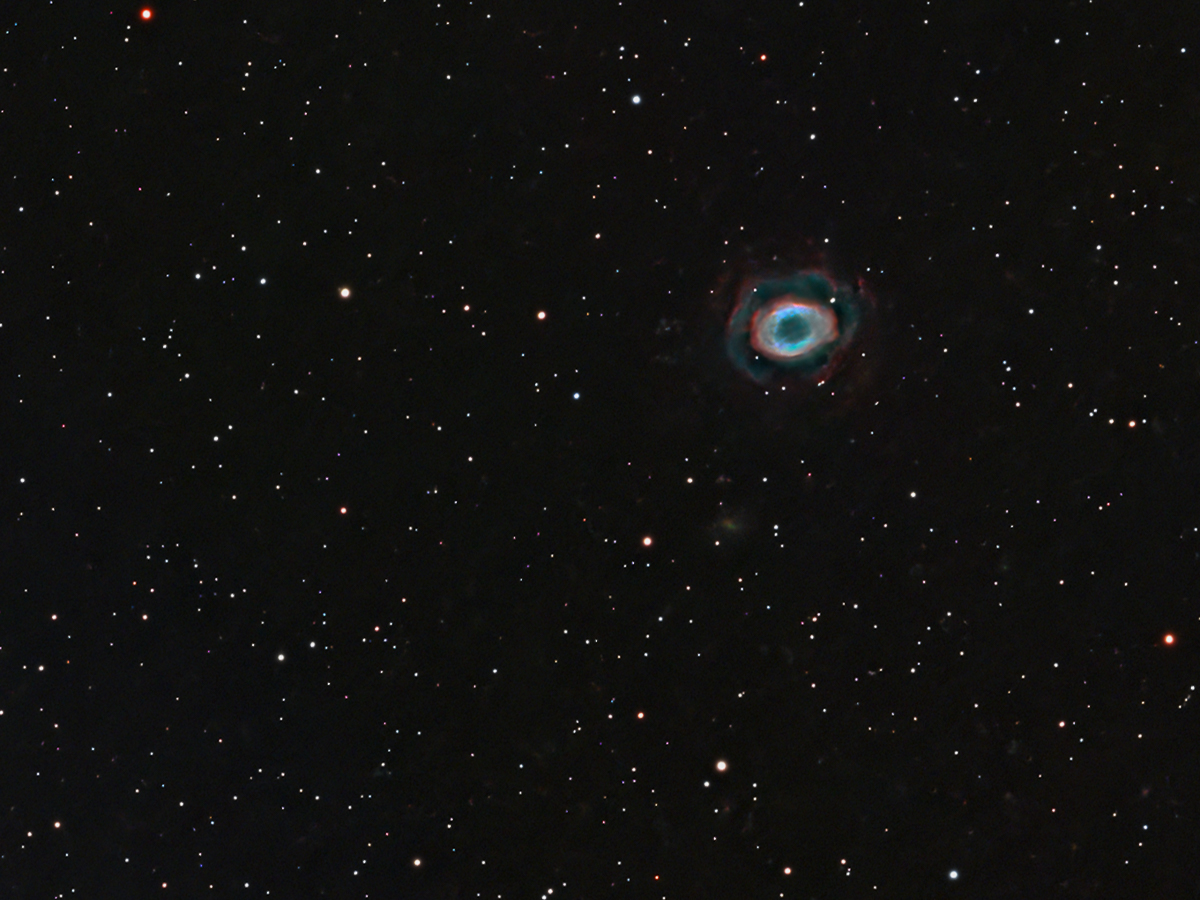
NGC 1501 in Camelopardalis, Camel's Eye Nebula Nikon D7500a, Nikon 600mm f/4 and 2x TC (1800mm f/8), 1h 15 min. (5'subframes) at ISO 1600 11th of March 2025
M57 Ringnebula, Lyra
Nikon D7500a,  600mm f/4 + 1.4 TC
L-Ultimate Optolong Filter
ISO 1600, 5 min. x 57
15./17./18. Aug. 2025
M57 Ringnebula, Lyra Nikon D7500a, 600mm f/4 + 1.4 TC L-Ultimate Optolong Filter ISO 1600, 5 min. x 57 15./17./18. Aug. 2025
Abell 31 in Cancer, April/May 2026
Nikon D7500a, 600mm f/4 + 1.4 TC (840mm f/5.6)
ISO 1600, 72 x 5 min. (6h),
L-Ultimate Optolong Dualband Filter
Abell 31 in Cancer, April/May 2026 Nikon D7500a, 600mm f/4 + 1.4 TC (840mm f/5.6) ISO 1600, 72 x 5 min. (6h), L-Ultimate Optolong Dualband Filter
0


Nature and Astrophotography


Mike Androsch


New - April/May 2026


Abell 31 in Cancer, April/May 2026

Nikon D7500a, 600mm f/4 + 1.4 TC (840mm f/5.6)

ISO 1600, 72 x 5 min. (6h),

 L-Ultimate Optolong Dualband Filter


Abell 31 (also known as Sh2-290 or PK 219+31.1) is an ancient planetary nebula in the constellation of Cancer. It is estimated to be about 2,000 light years away. Our sun will also end like this: the outer shells will be dispelled and a resulting white dwarf will slowly cool down and disappear. Other small bright planetaries look similar to planets in a telescope, that is where their rather misleading name derives.

Abell 31 was discovered in 1955 by the American astronomer George Ogden Abell on the photo plates of the Palomar Observatory Sky Survey (POSS).

Abell 31 is mainly composed of hydrogen and gas. The blue oxygen occupies the central region and makes up the bulk of the nebula, while the red hydrogen makes a ring at the nebula's edge. This object is very old, and consequently, it is very large, dim and therefore has a low surface brightness. It is dispersing into the interstellar medium.

That is why this image was captured over several weeks, when there was no moon and a very dark sky. It was rather frustrating to have many cloudy nights. In total I got 6 hours of 5 min. images, which I combined in PixInsight and post processed in Photoshop and Lightroom.


close lightbox