Mike's Images
Menü
  • Externer Link wird in einem neuen Tab oder Fenster geöffnet
  • Externer Link wird in einem neuen Tab oder Fenster geöffnet

Galaxies

Click on images to enlarge them (might not work on your smartphone).
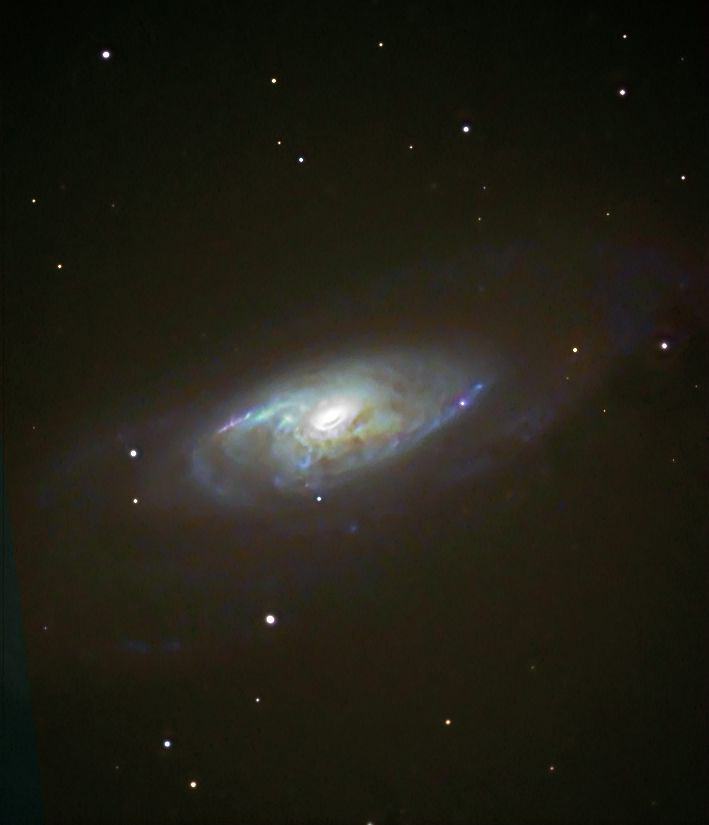


M106 Canes Venatici
07.2006 MX7c older image
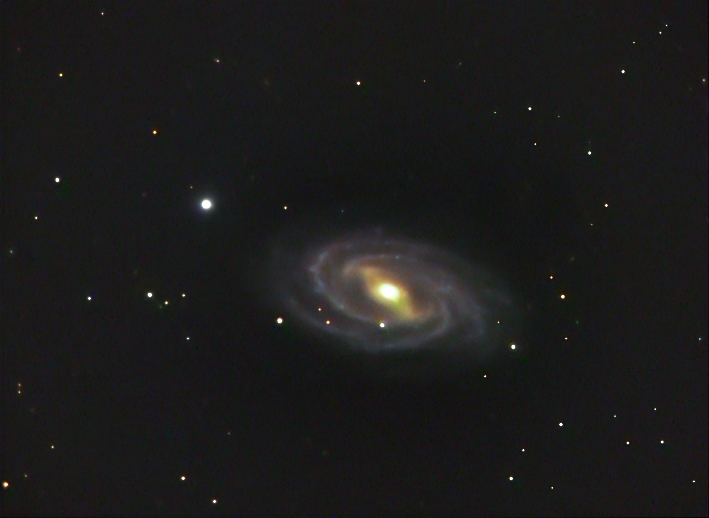
M106 Canes Venatici 07.2006 MX7c older image
M109, Ursa Major
07.2006 older MX7c image
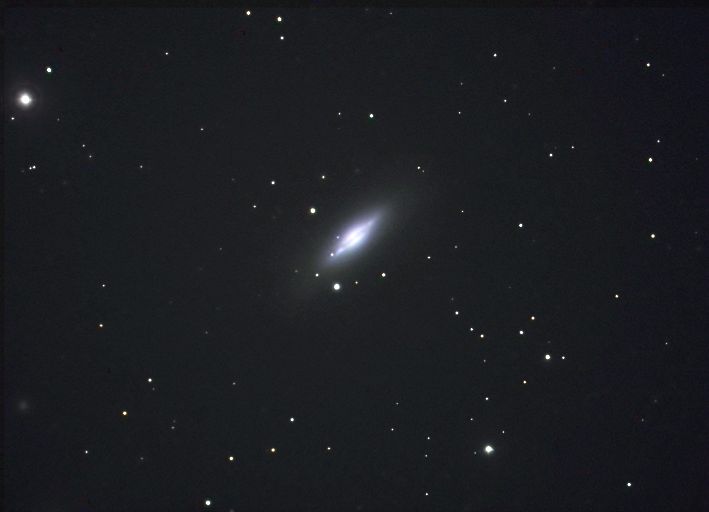
M109, Ursa Major 07.2006 older MX7c image
M102 Spindel Galaxy, Draco
08.2006 MX7c older image
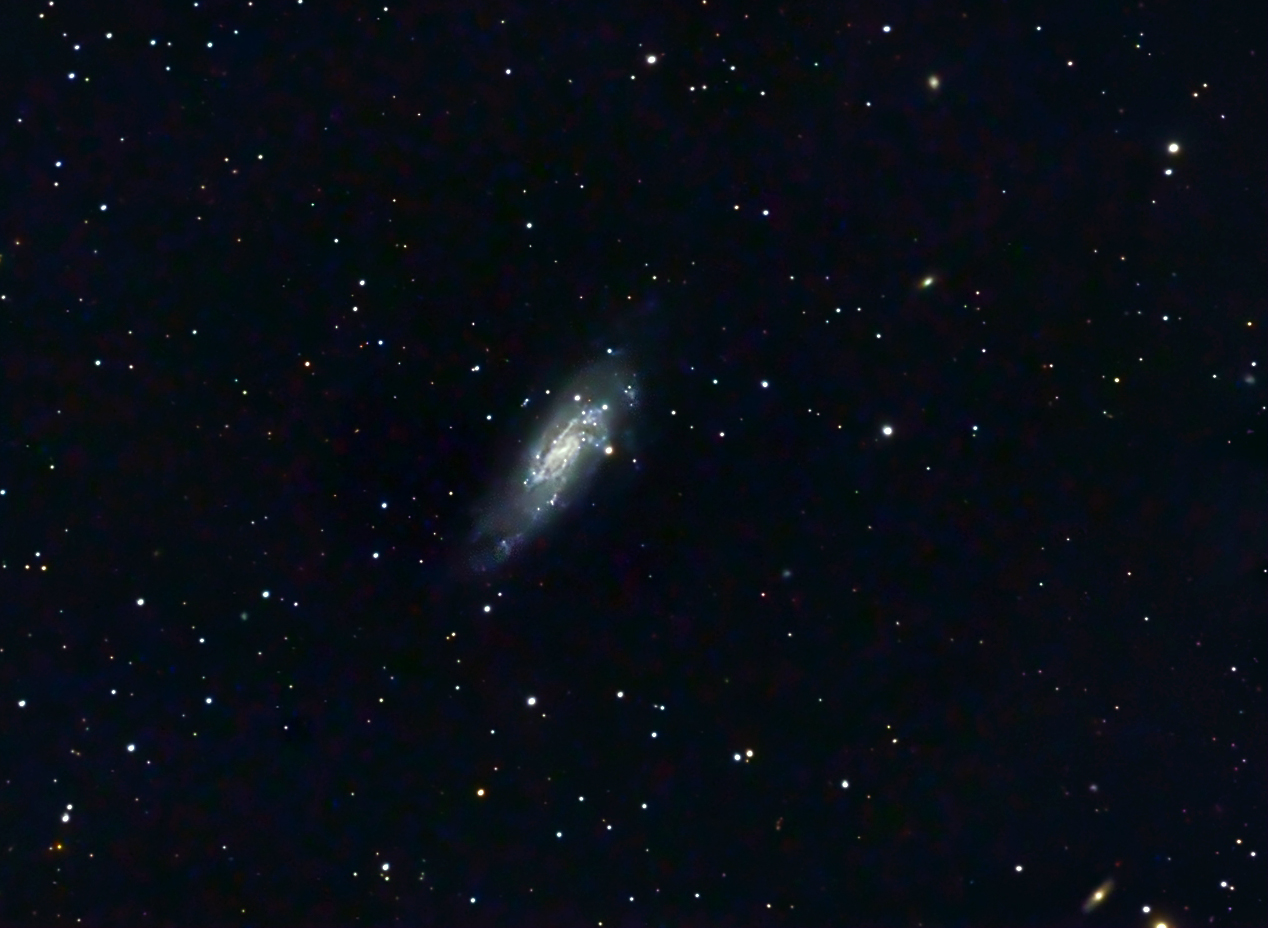
M102 Spindel Galaxy, Draco 08.2006 MX7c older image
NGC4559 Coma Berenices
05.2008 MX7c older image
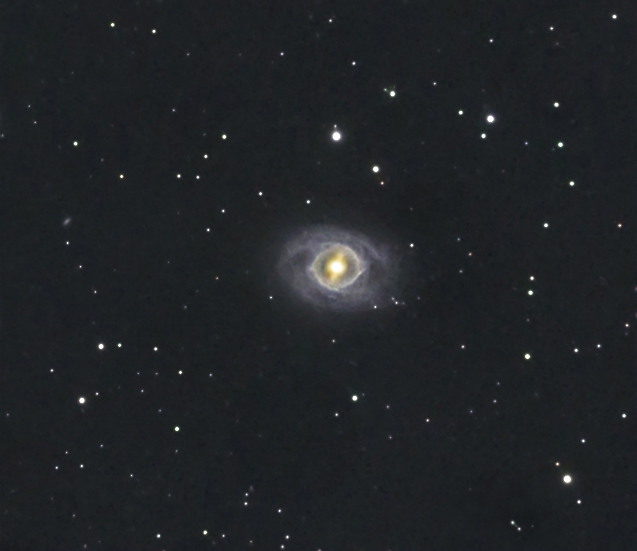
NGC4559 Coma Berenices 05.2008 MX7c older image
M95, Leo
09.2008 SXV-H9 older image
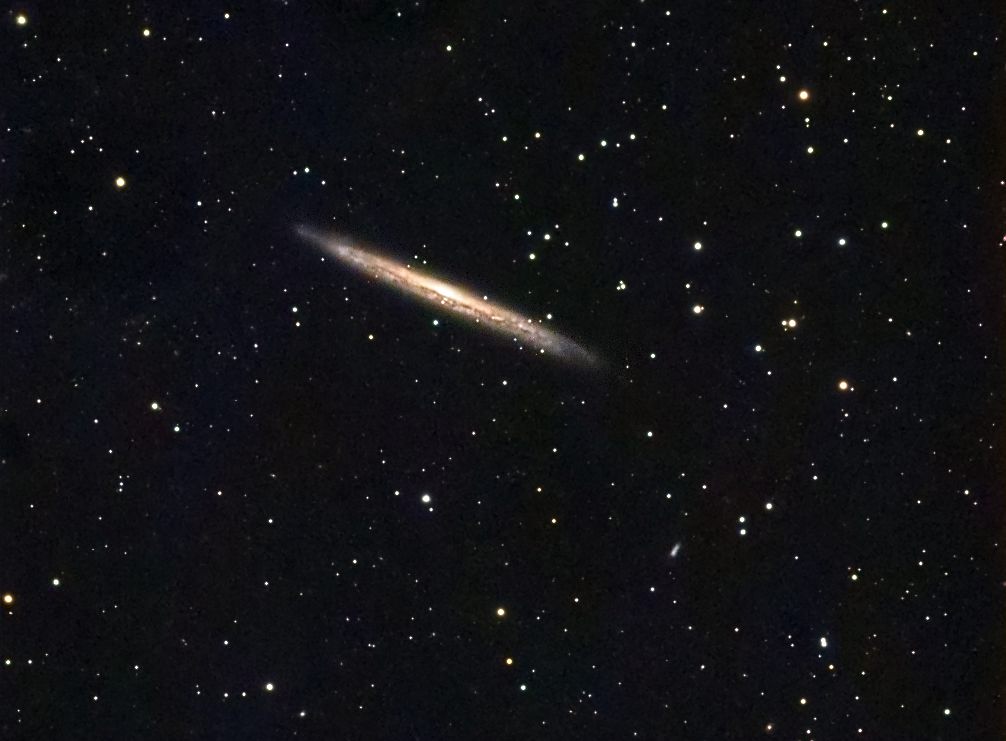
M95, Leo 09.2008 SXV-H9 older image
NGC5907 Splinter Galaxy Draco
08.2008 SXV-H9 older image
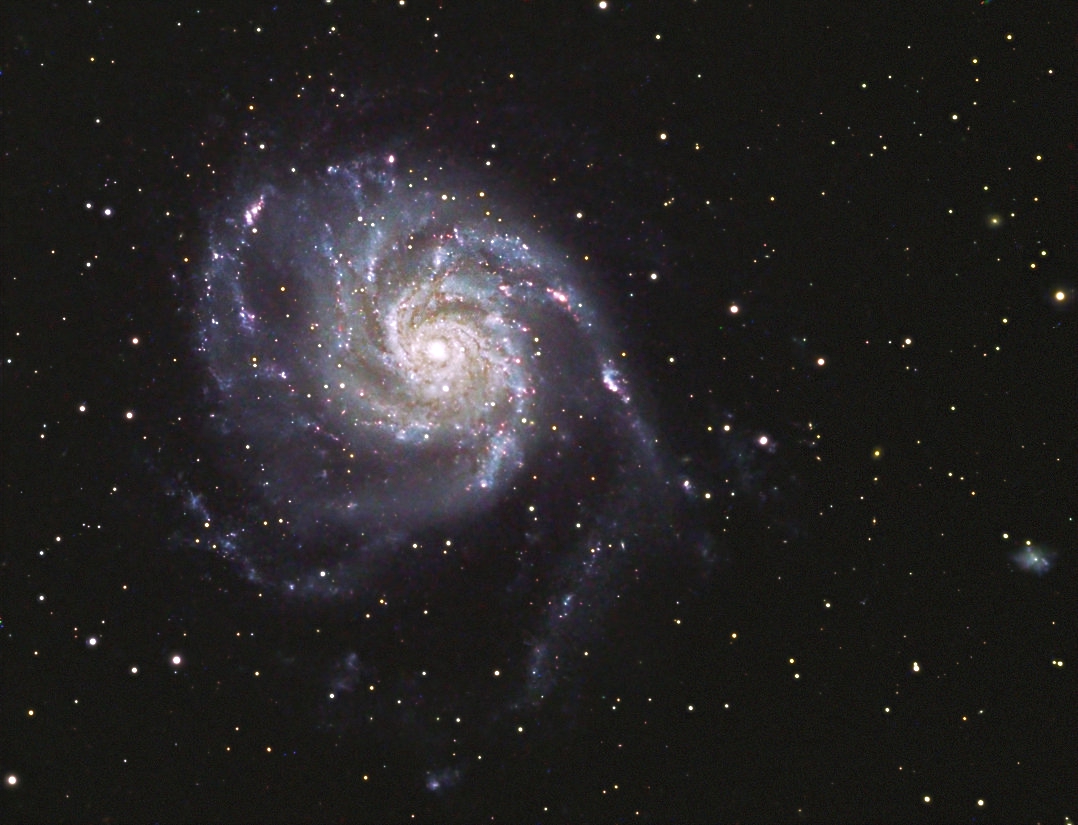
NGC5907 Splinter Galaxy Draco 08.2008 SXV-H9 older image
M 101, Pinwheel Ursa Major
30.08.2008, 24.05.2009, 4" TMB
SXV-H9, L:R:G:B, 170:60:60:60, Binning 1x1
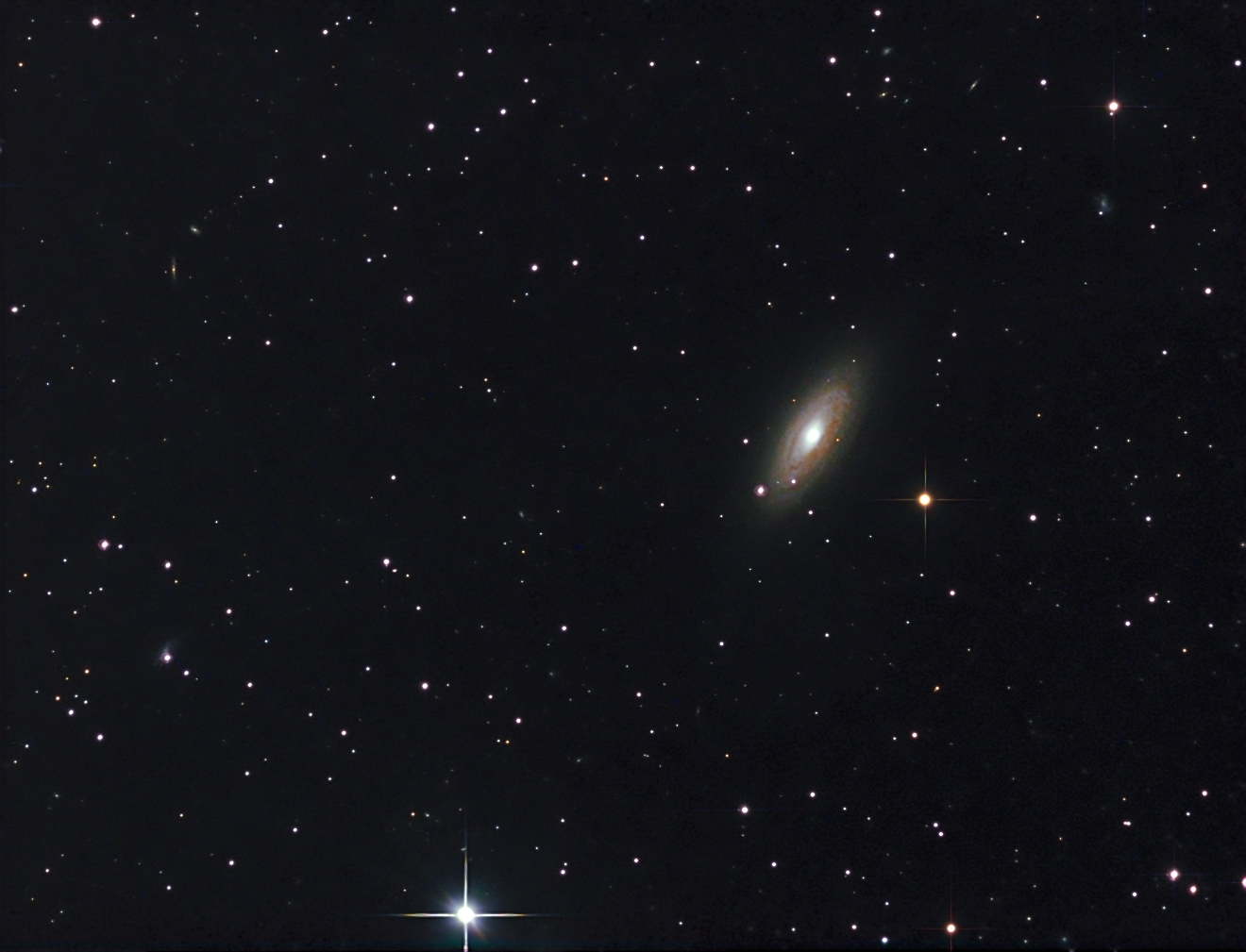
M 101, Pinwheel Ursa Major 30.08.2008, 24.05.2009, 4" TMB SXV-H9, L:R:G:B, 170:60:60:60, Binning 1x1
NGC2841
04.2009 older DSLR
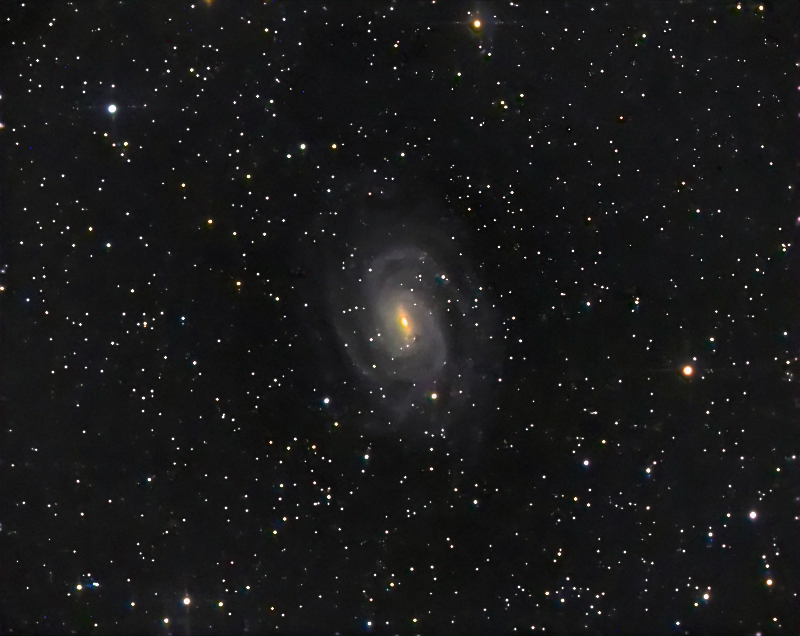
NGC2841 04.2009 older DSLR
NGC6384 Ophiuchus
08.2009 SXV-H9 older image
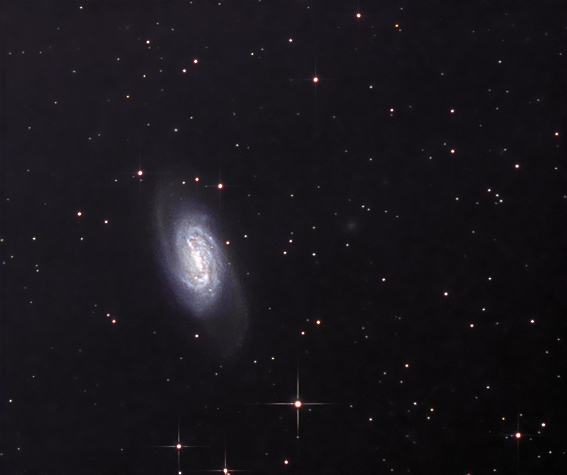
NGC6384 Ophiuchus 08.2009 SXV-H9 older image
NGC2903, Leo
04.2009, older SXV-H9 image
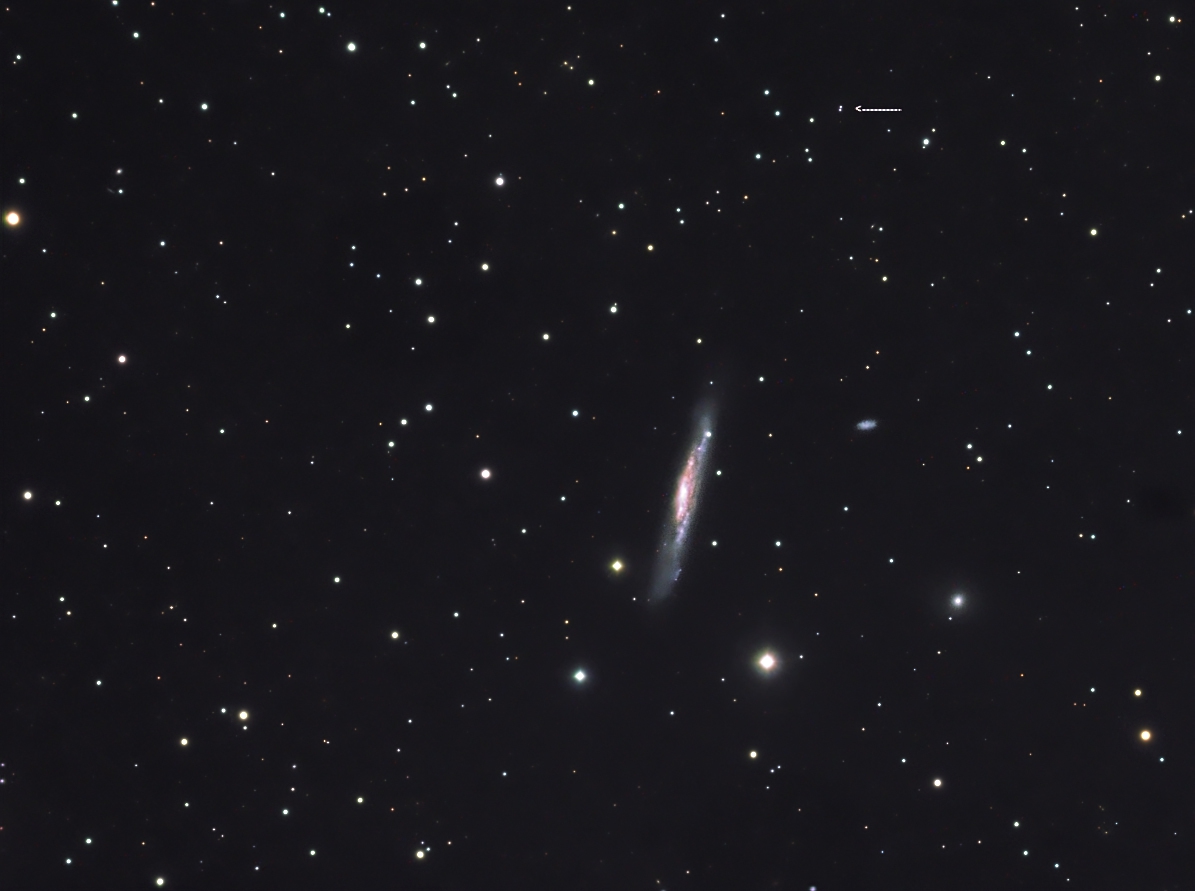
NGC2903, Leo 04.2009, older SXV-H9 image
NGC3079 with marked quasar
04.2009 older SXV-H9
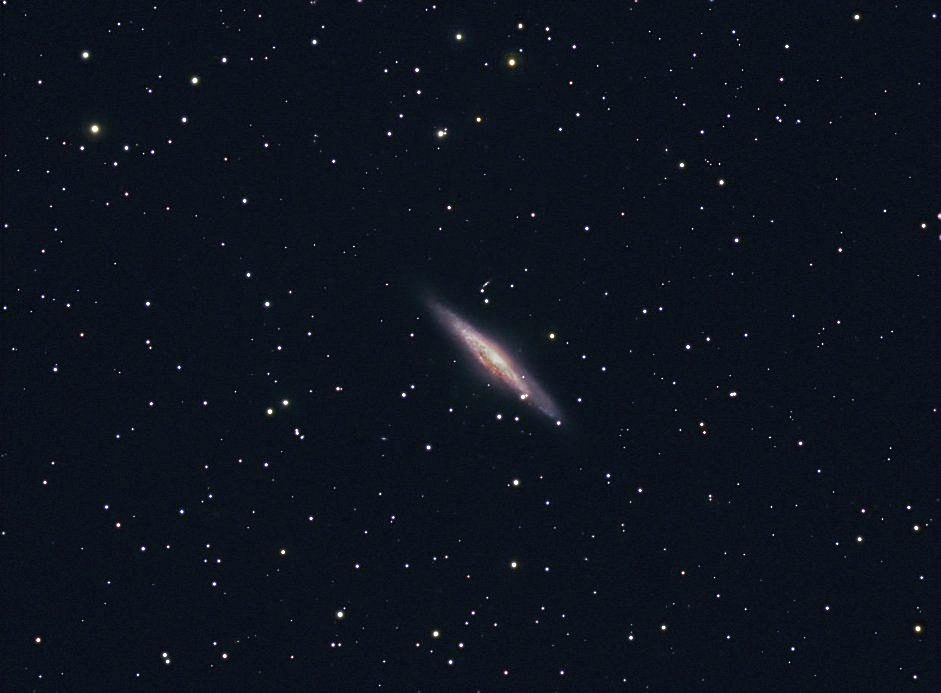
NGC3079 with marked quasar 04.2009 older SXV-H9
NGC2683 UFO Galaxy Lynx
04.2010 SXV-H9 older image
NGC2683 UFO Galaxy Lynx 04.2010 SXV-H9 older image
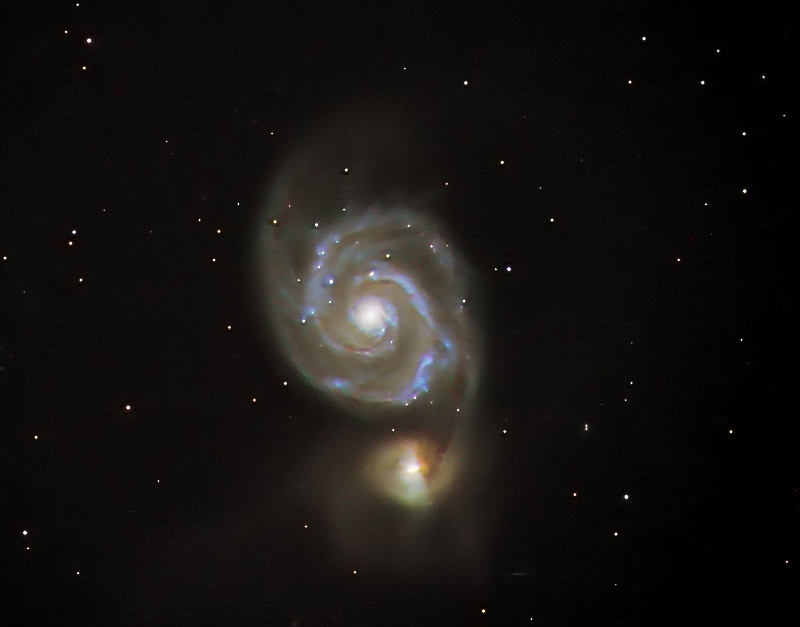
M51 Whirlpool Galaxy
05.2011 older SXV-H9
M51 Whirlpool Galaxy 05.2011 older SXV-H9
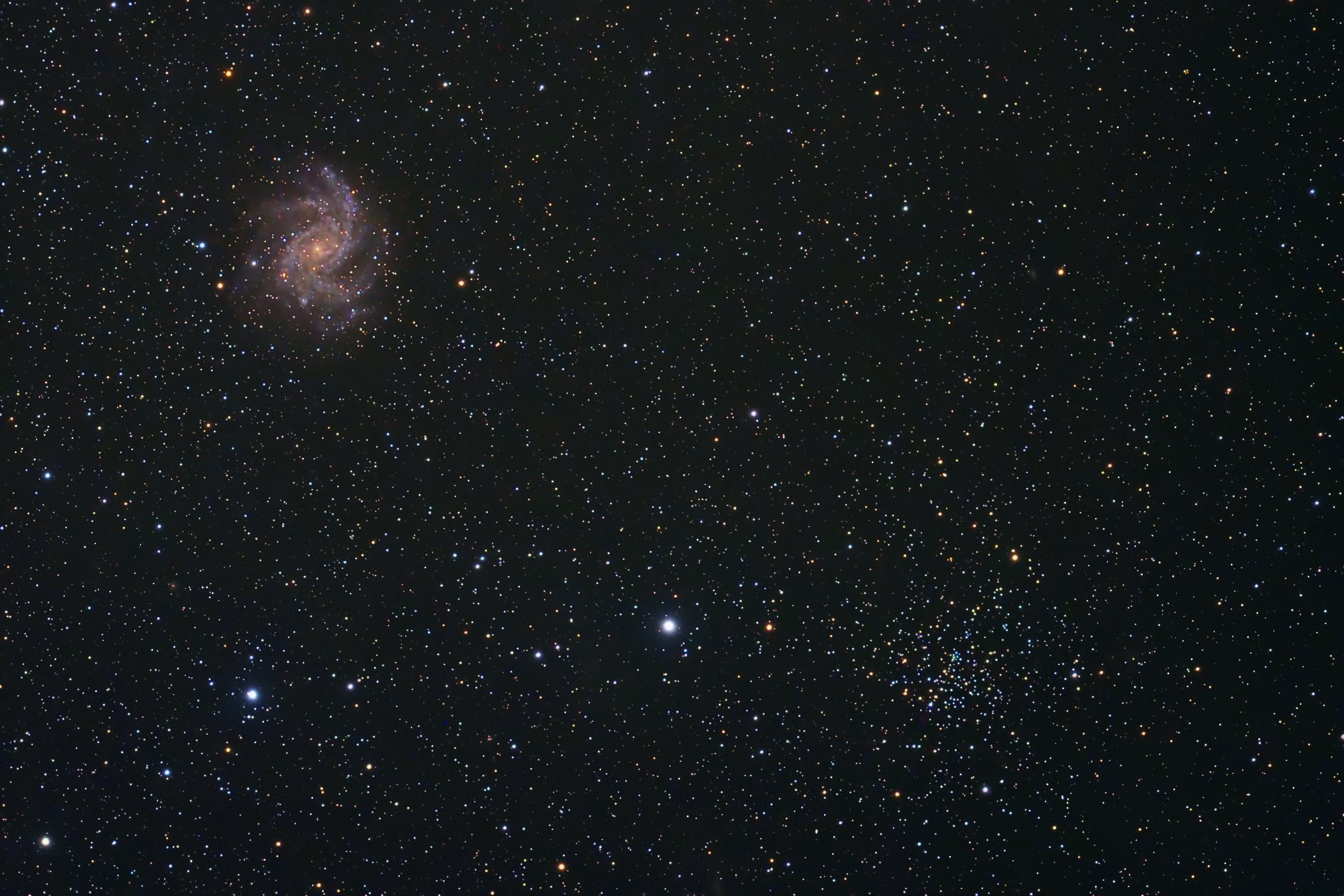
NGC6946, NGC6939
11.2011 DSLR older image
NGC6946, NGC6939 11.2011 DSLR older image
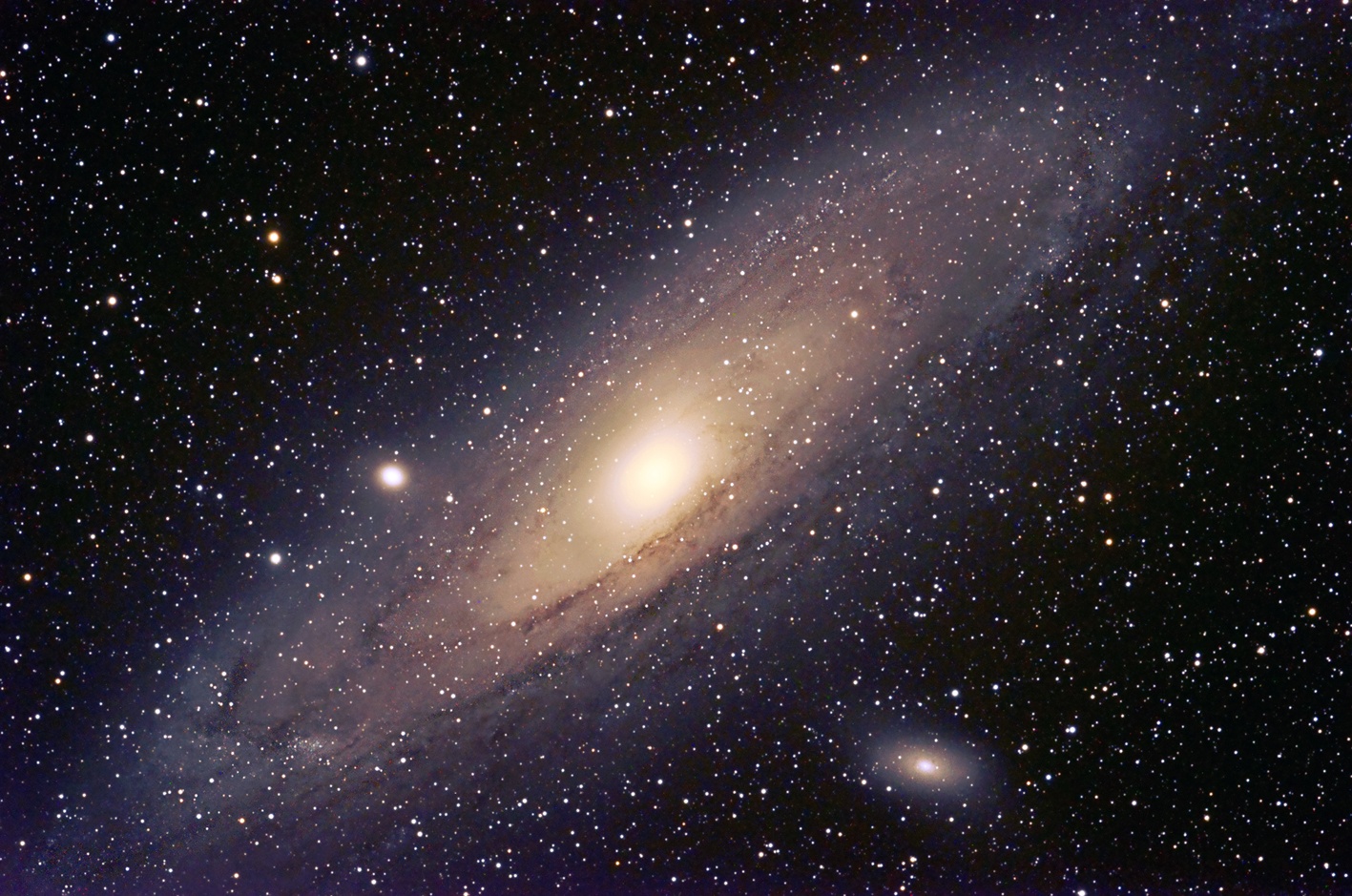
M 31
M 31 Andromeda Galaxy 21.11.2011, 4" TMB f/6.3 | 4x30 min. | ISO 1600
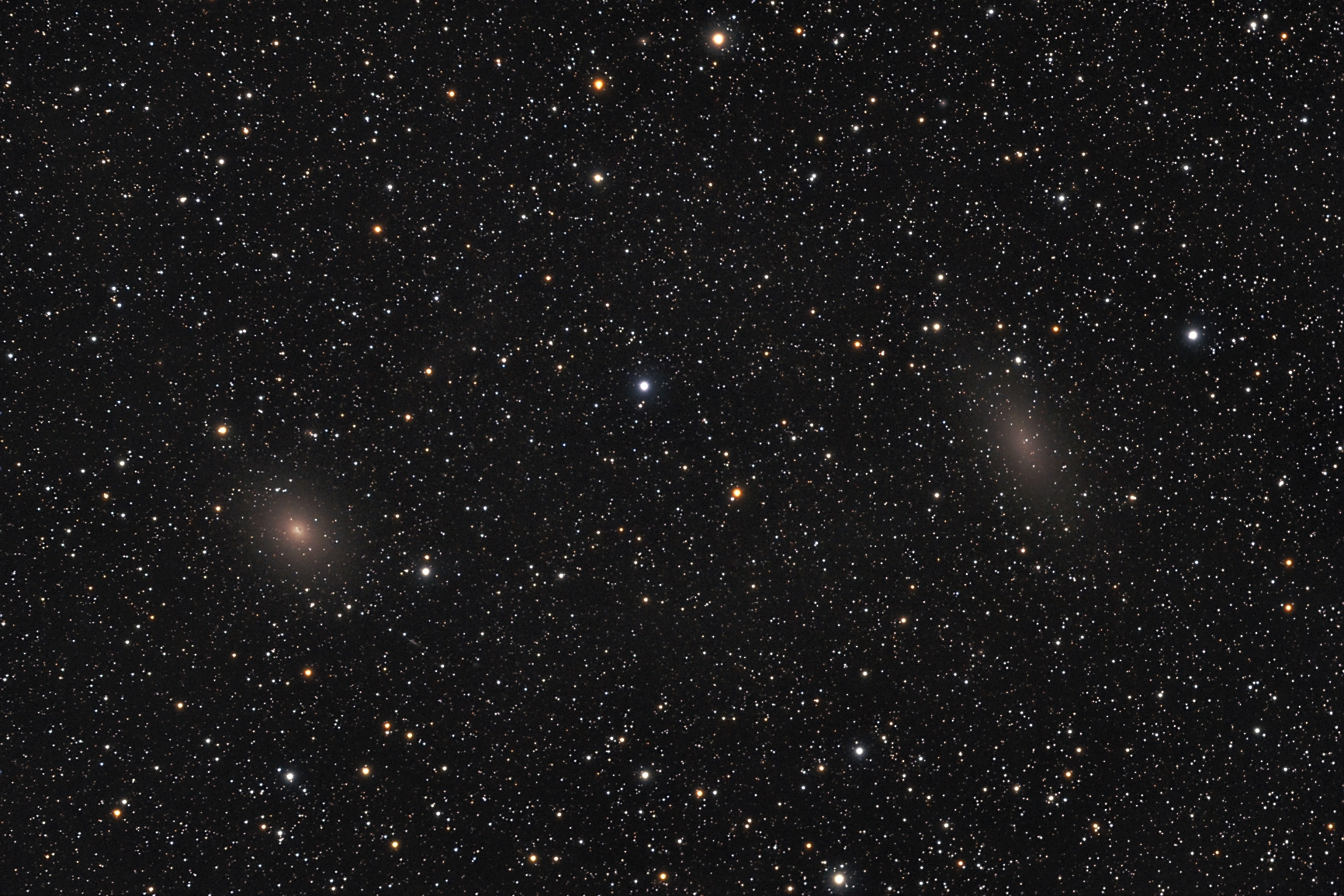
NGC185_NGC147 Cassiopeia
11.2012 DSLR older image
NGC185_NGC147 Cassiopeia 11.2012 DSLR older image
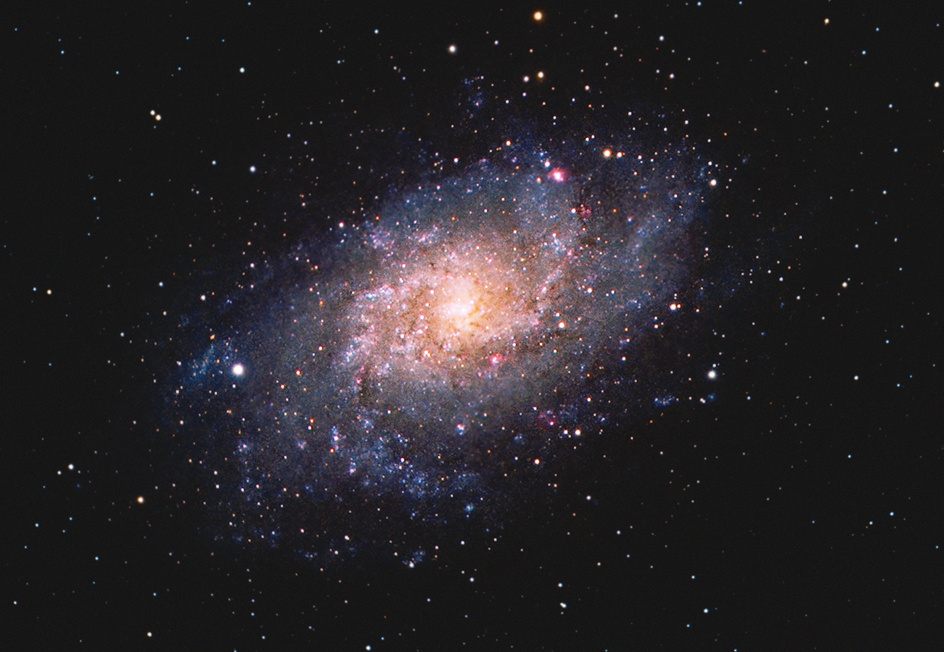
M 33
M 33, Triangulum 31.12.2013, AAPOD on the 5th of Jan. 2014, f/6.3 | 9 x 20 min. | ISO 1600 SXV-H9 2x2 for Ha
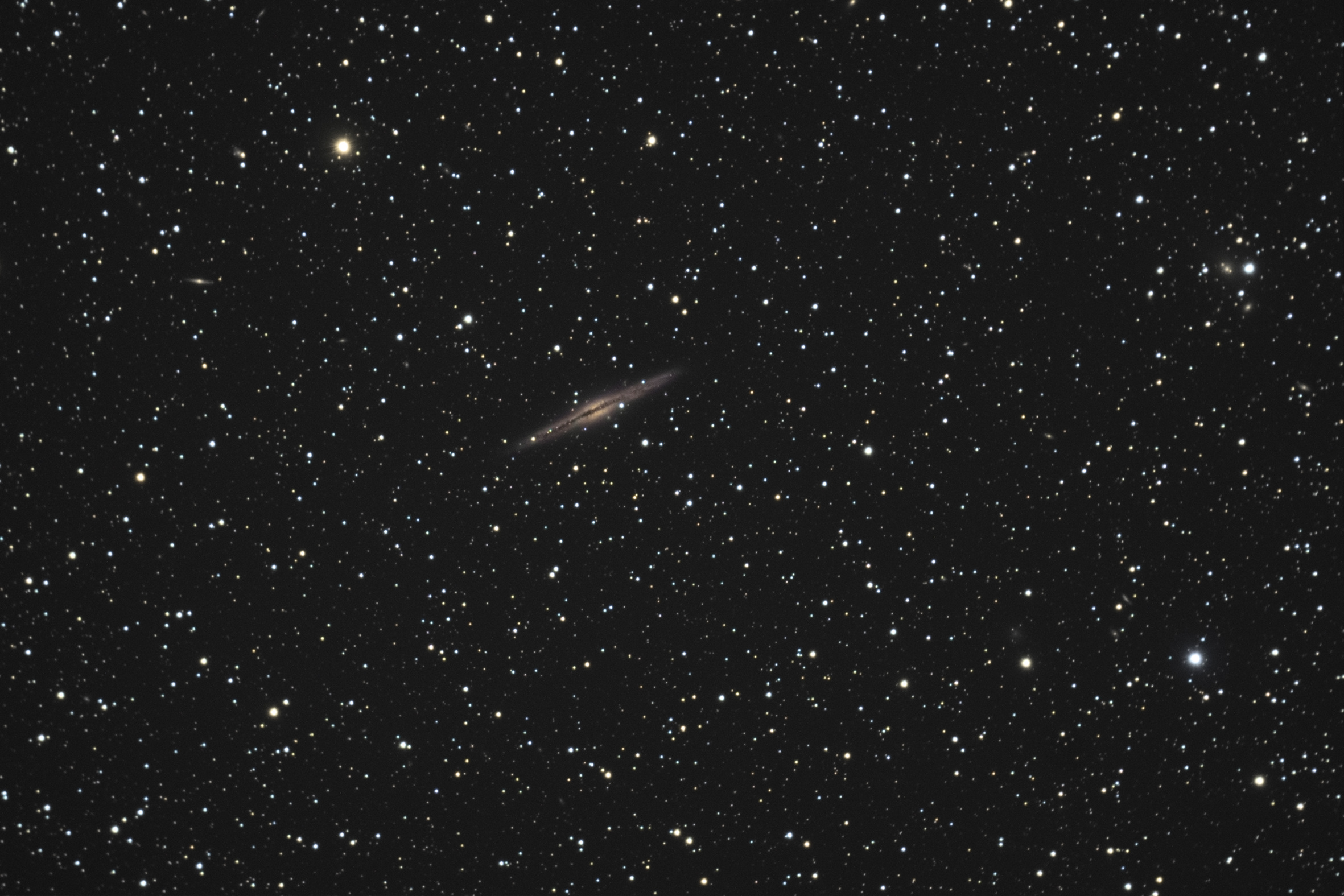
NGC 891
NGC 891, Andromeda 4.2.2019, 4" TMB f/6.3 | 23x10 min. | ISO 1600
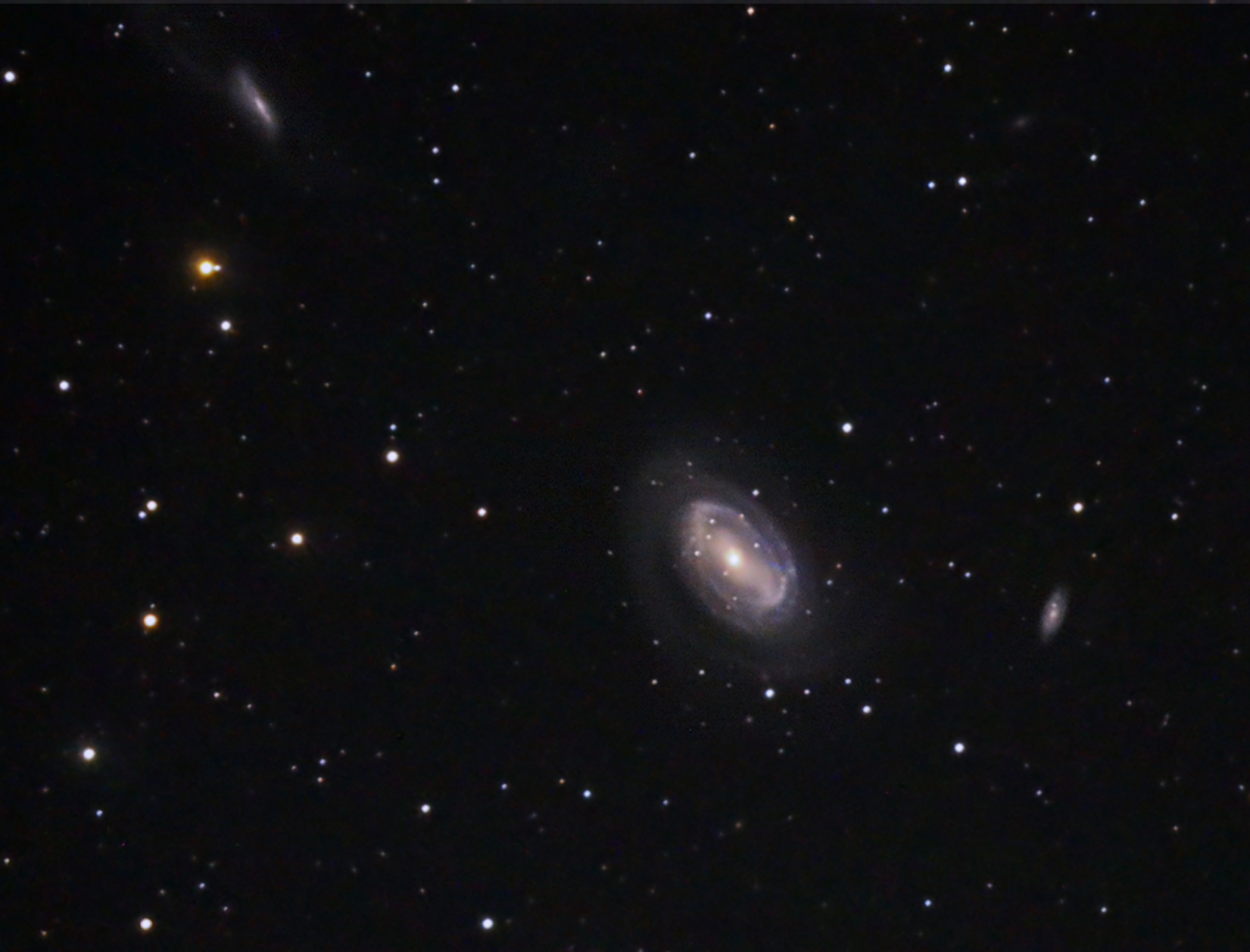
NGC 4725, NGC 4747 (Arp 159), NGC 4712  in Coma Berenices
NGC 4725, NGC 4747, NGC 4712, Coma Berenices. May 2008 and 2019, 4" TMB 60x5 min. L SXV-H9 and 22x20min. DSLR, ISO 1600.
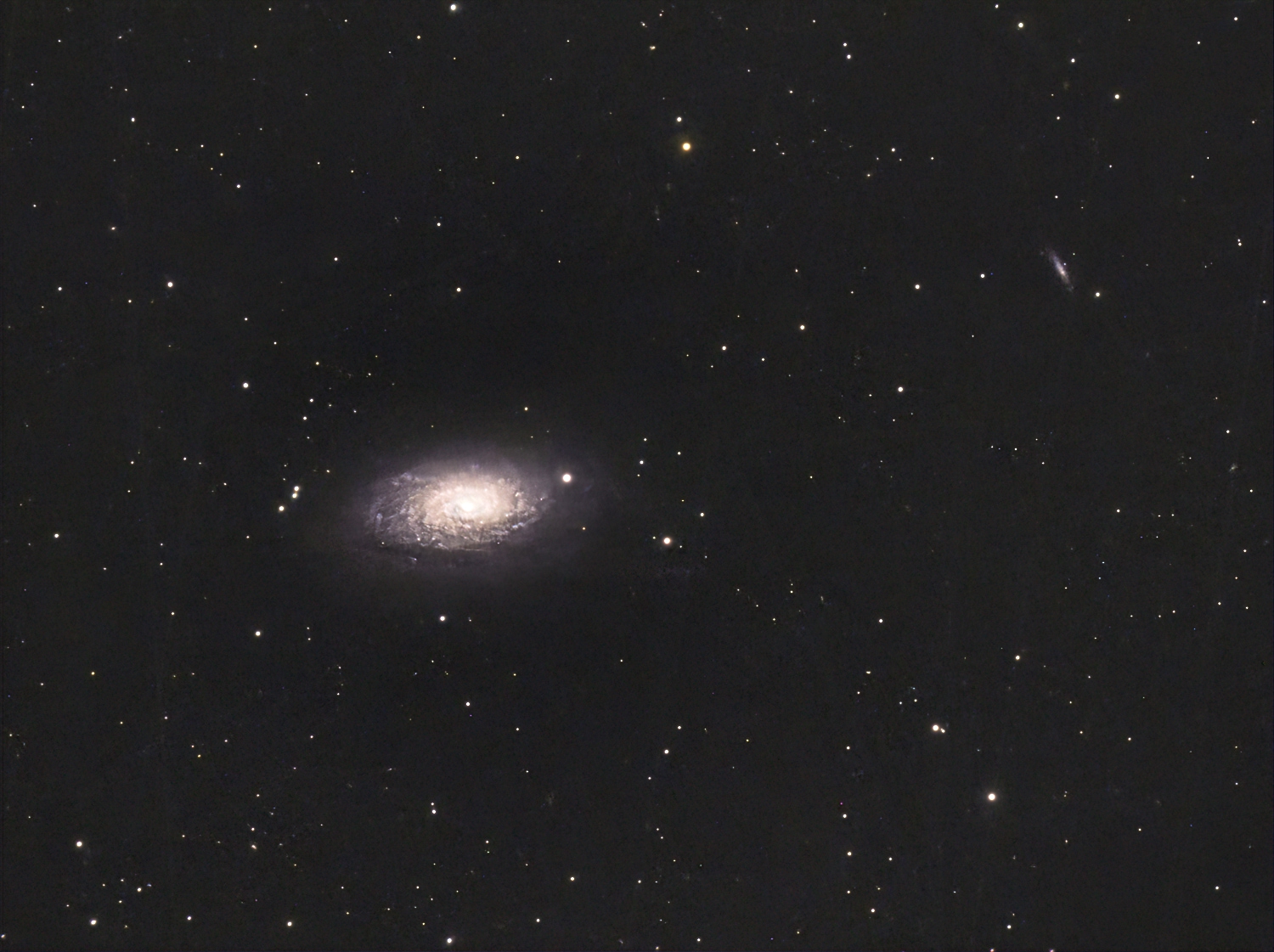
M 63 Sunflower Galaxy
9.09.2021, 4" TMB 
f/6.3 | 5x20 min. | ISO 1600
M 63 Sunflower Galaxy 9.09.2021, 4" TMB f/6.3 | 5x20 min. | ISO 1600
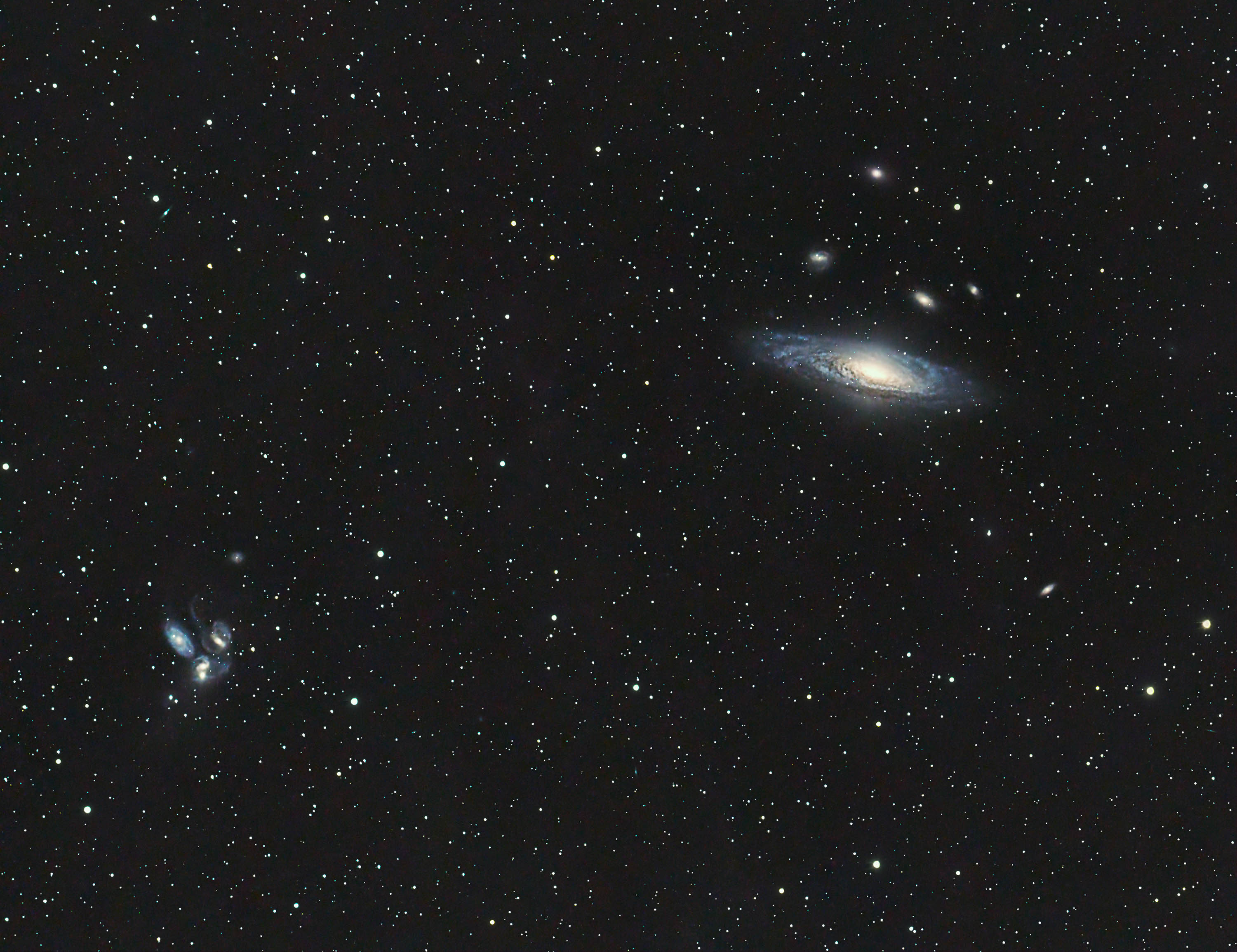
NGC 7331
NGC 7331 and Stefans Quintett 27. - 30-12.2024, 4"TMB, f/6.3 D850, 13x 30 min., ISO 1600
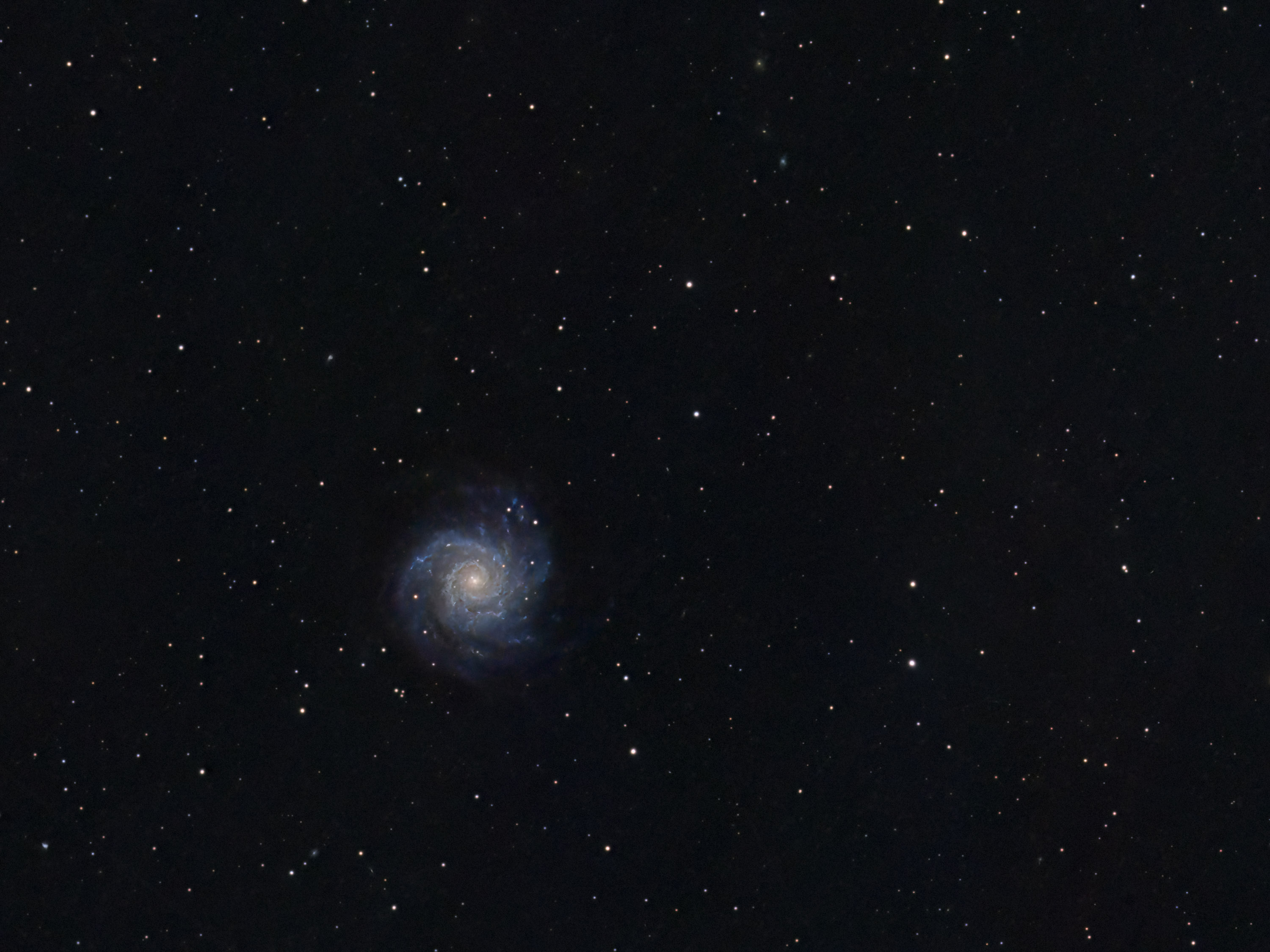
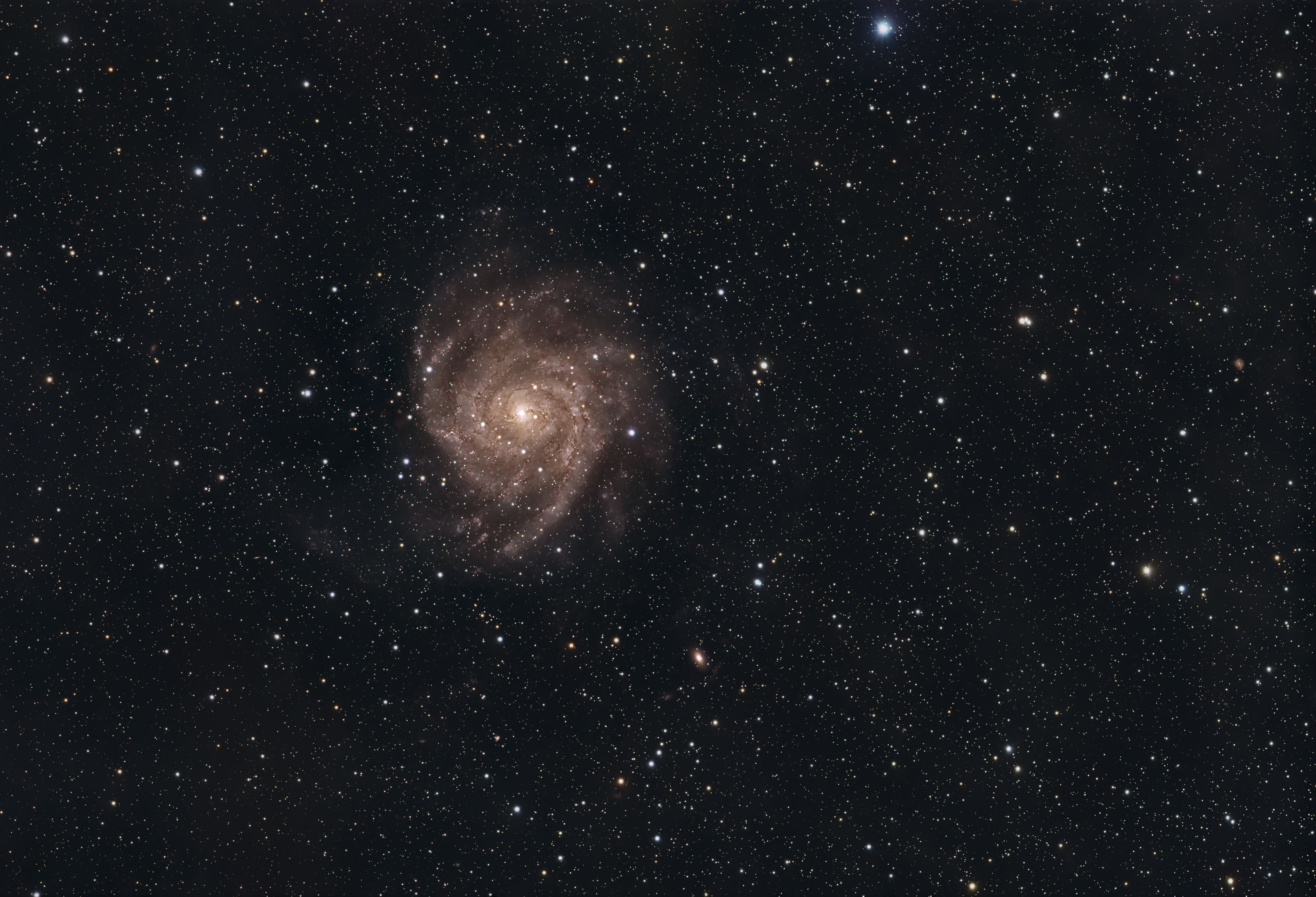
M 74 Nikon 600mm f/4 and 1.4 TC (840mm) at f/5.6.
7 h 15' (15' subframes) at ISO 800
18th, 19th and 22nd of January 2025
M 74 Nikon 600mm f/4 and 1.4 TC (840mm) at f/5.6. 7 h 15' (15' subframes) at ISO 800 18th, 19th and 22nd of January 2025
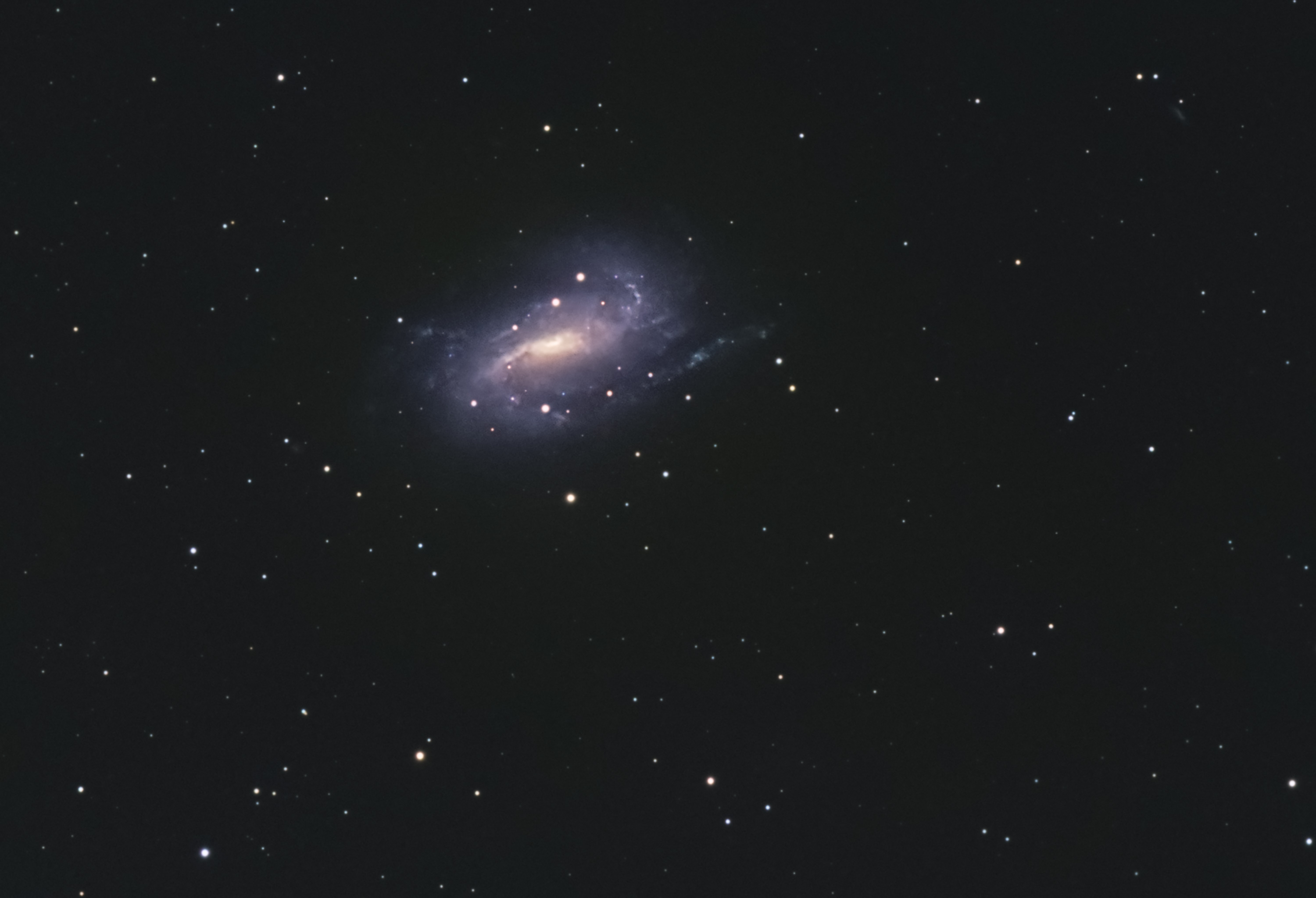
NGC 925 Tringulum, 10th Febuary 2025
D850, Nikon 600mm f/4+1.4TC (840mm f/5.6)
ISO 800, 80min. (5' subframes)
NGC 925 Tringulum, 10th Febuary 2025 D850, Nikon 600mm f/4+1.4TC (840mm f/5.6) ISO 800, 80min. (5' subframes)
Caldwell 5 or IC 342, 4th - 6th of March 2025
Nikon D7500a, Nikon 600mm f/4 and 1.4 TC 
(840mm) at f/5.6., 7.3 hrs. (5' subframes)
at ISO 1600
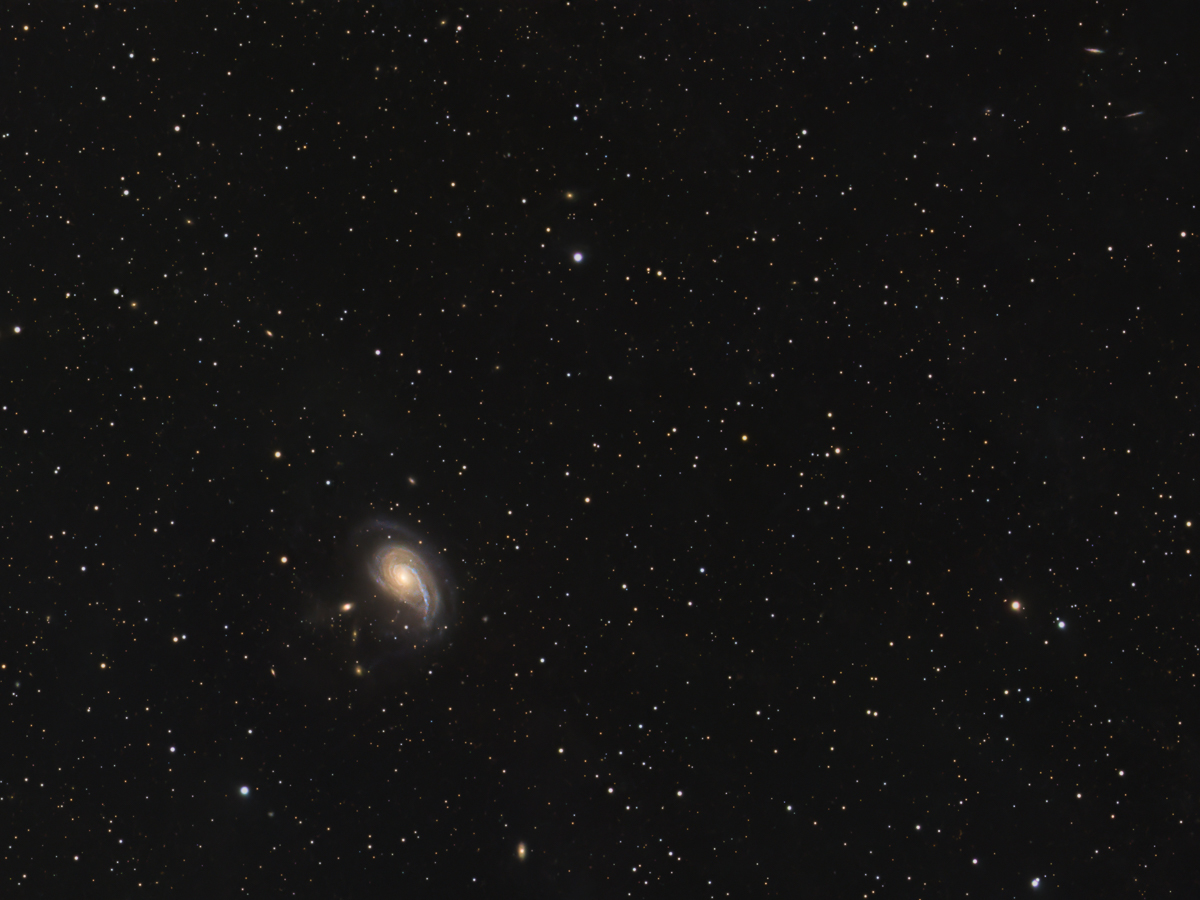
Caldwell 5 or IC 342, 4th - 6th of March 2025 Nikon D7500a, Nikon 600mm f/4 and 1.4 TC (840mm) at f/5.6., 7.3 hrs. (5' subframes) at ISO 1600
NGC 772 (Arp 78) in  Aries
Nikon D7500a, 600mm f/4 + 1.4 TC
ISO 1600, 5 min. x 113, 18./19./20. and 22.01.
NGC 772 (Arp 78) in Aries Nikon D7500a, 600mm f/4 + 1.4 TC ISO 1600, 5 min. x 113, 18./19./20. and 22.01.
0


Nature and Astrophotography


Mike Androsch


New - April/May 2026


Abell 31 in Cancer, April/May 2026

Nikon D7500a, 600mm f/4 + 1.4 TC (840mm f/5.6)

ISO 1600, 72 x 5 min. (6h),

 L-Ultimate Optolong Dualband Filter


Abell 31 (also known as Sh2-290 or PK 219+31.1) is an ancient planetary nebula in the constellation of Cancer. It is estimated to be about 2,000 light years away. Our sun will also end like this: the outer shells will be dispelled and a resulting white dwarf will slowly cool down and disappear. Other small bright planetaries look similar to planets in a telescope, that is where their rather misleading name derives.

Abell 31 was discovered in 1955 by the American astronomer George Ogden Abell on the photo plates of the Palomar Observatory Sky Survey (POSS).

Abell 31 is mainly composed of hydrogen and gas. The blue oxygen occupies the central region and makes up the bulk of the nebula, while the red hydrogen makes a ring at the nebula's edge. This object is very old, and consequently, it is very large, dim and therefore has a low surface brightness. It is dispersing into the interstellar medium.

That is why this image was captured over several weeks, when there was no moon and a very dark sky. It was rather frustrating to have many cloudy nights. In total I got 6 hours of 5 min. images, which I combined in PixInsight and post processed in Photoshop and Lightroom.


close lightbox