Mike's Images
Menü
  • Externer Link wird in einem neuen Tab oder Fenster geöffnet
  • Externer Link wird in einem neuen Tab oder Fenster geöffnet

Nebulae

Click on images to enlarge them (might not work on your smartphone).
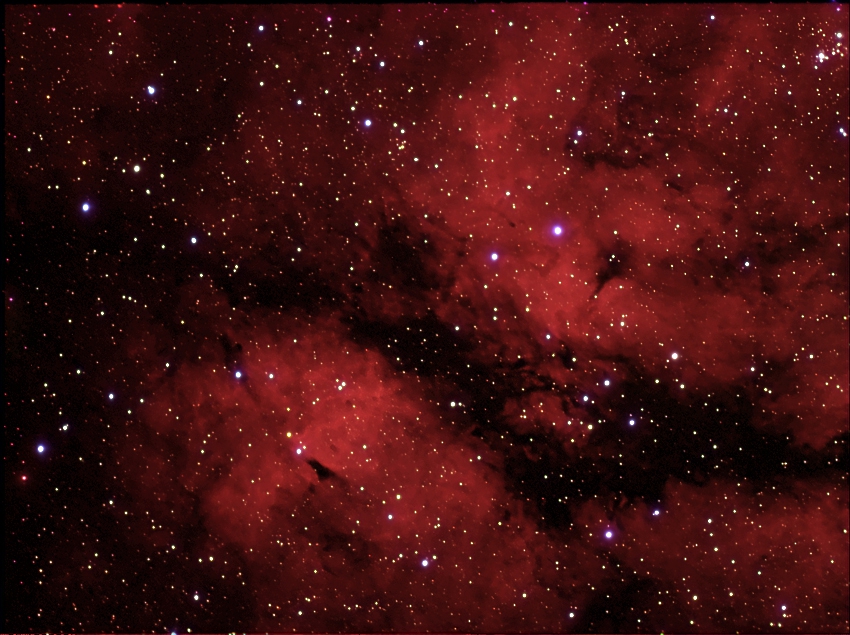


IC1318, Cygnus
14.09.2004
IC1318, Cygnus 14.09.2004
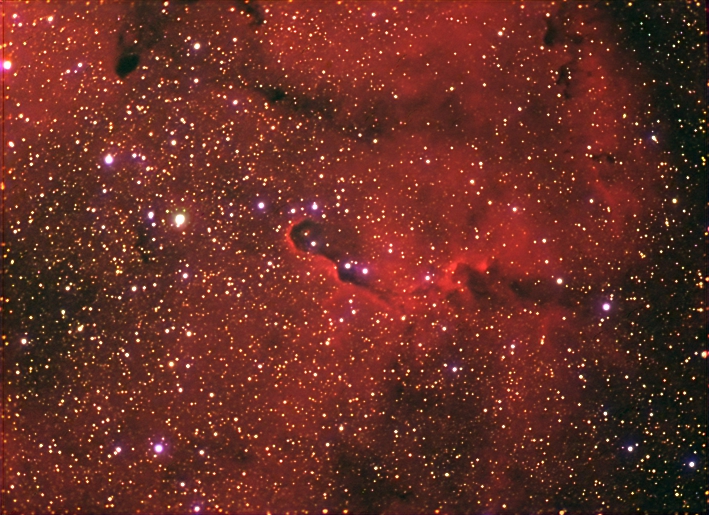
IC1396, Elefant's Trunk Nebula, Cepheus
09.2005 older SXV-H9 image
IC1396, Elefant's Trunk Nebula, Cepheus 09.2005 older SXV-H9 image
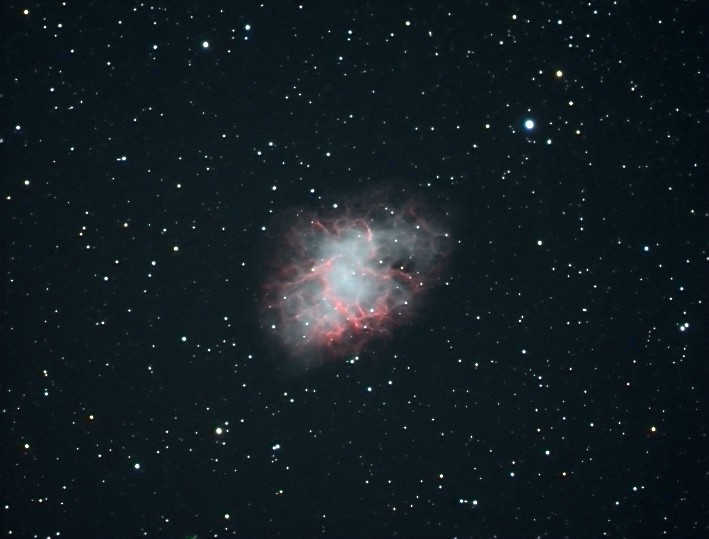
M1 Crab Nebula
03.2007 MX7c older image
M1 Crab Nebula 03.2007 MX7c older image
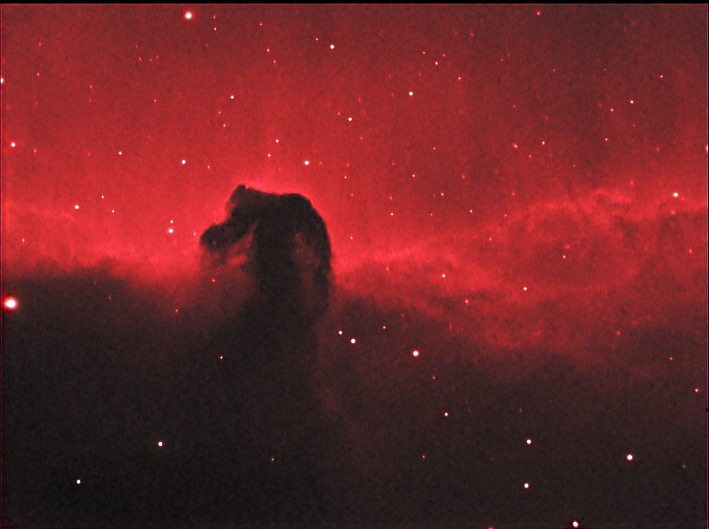
Horsehead, Orion
02.2008, SXV-H9 older image
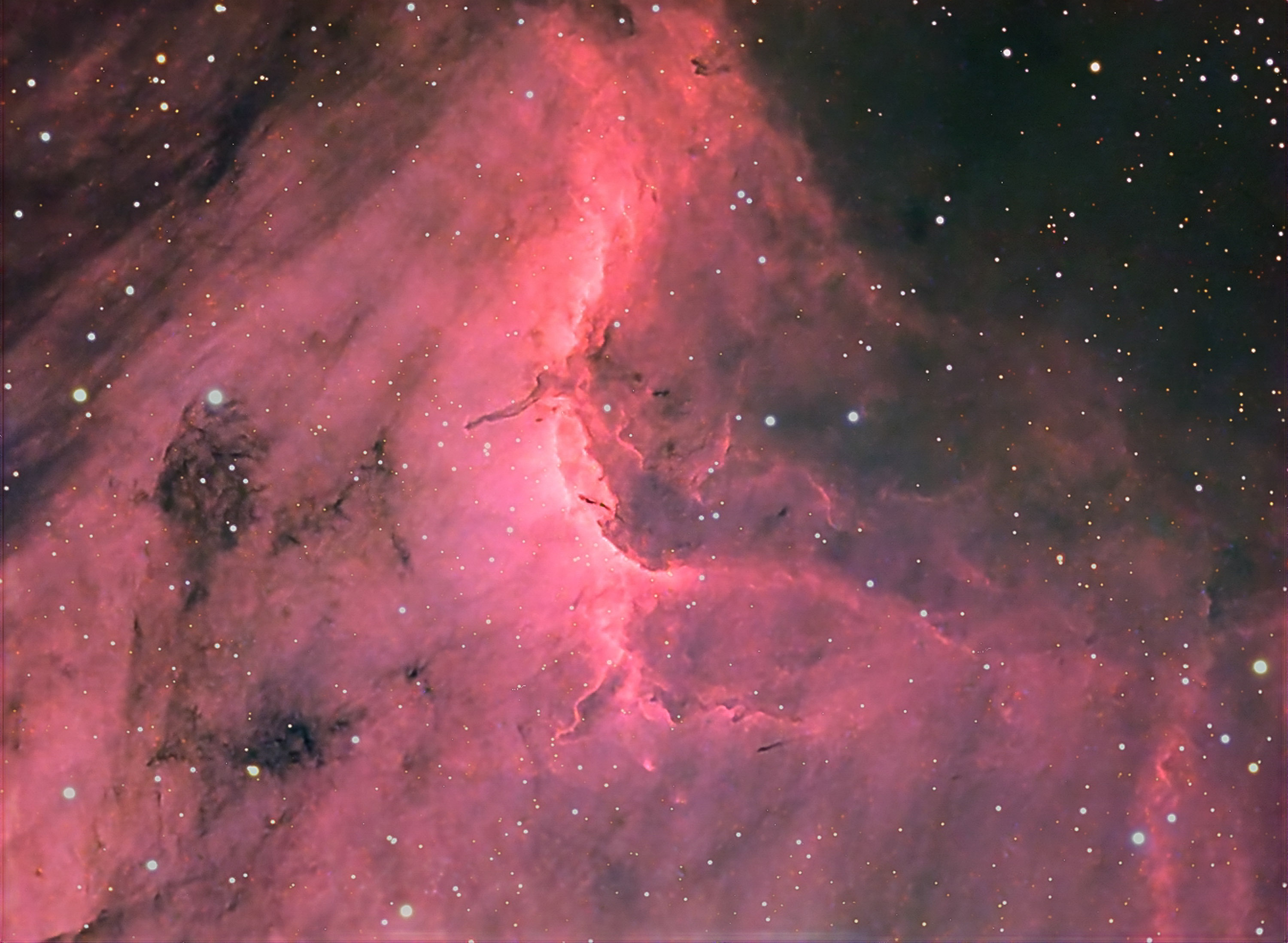
Horsehead, Orion 02.2008, SXV-H9 older image
IC 5070, Pelikan Nebula in Cygnus
18./20./21.09.2008, 4" TMB 
SXV-H9, Ha:R:G:B, 240:60:60:60 min.
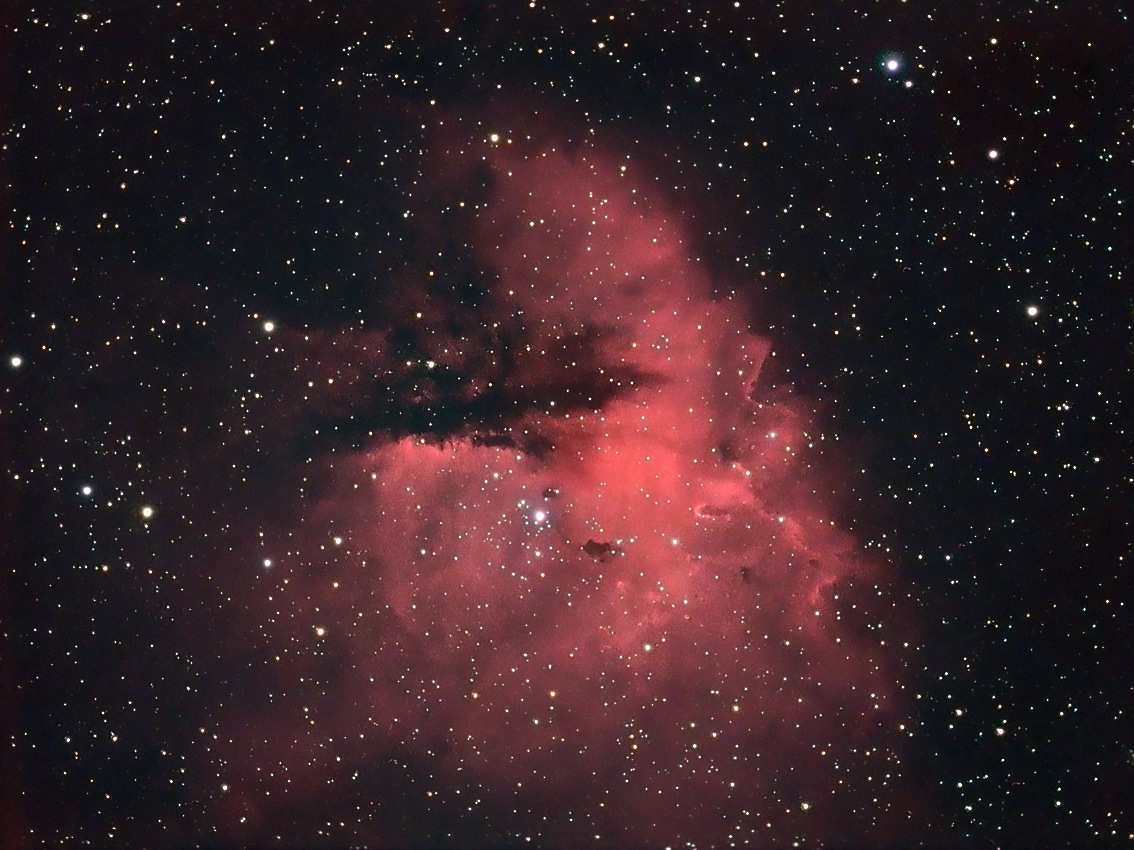
IC 5070, Pelikan Nebula in Cygnus 18./20./21.09.2008, 4" TMB SXV-H9, Ha:R:G:B, 240:60:60:60 min.
NGC281, Cassiopeia
01.2009, SXV-H9 older image
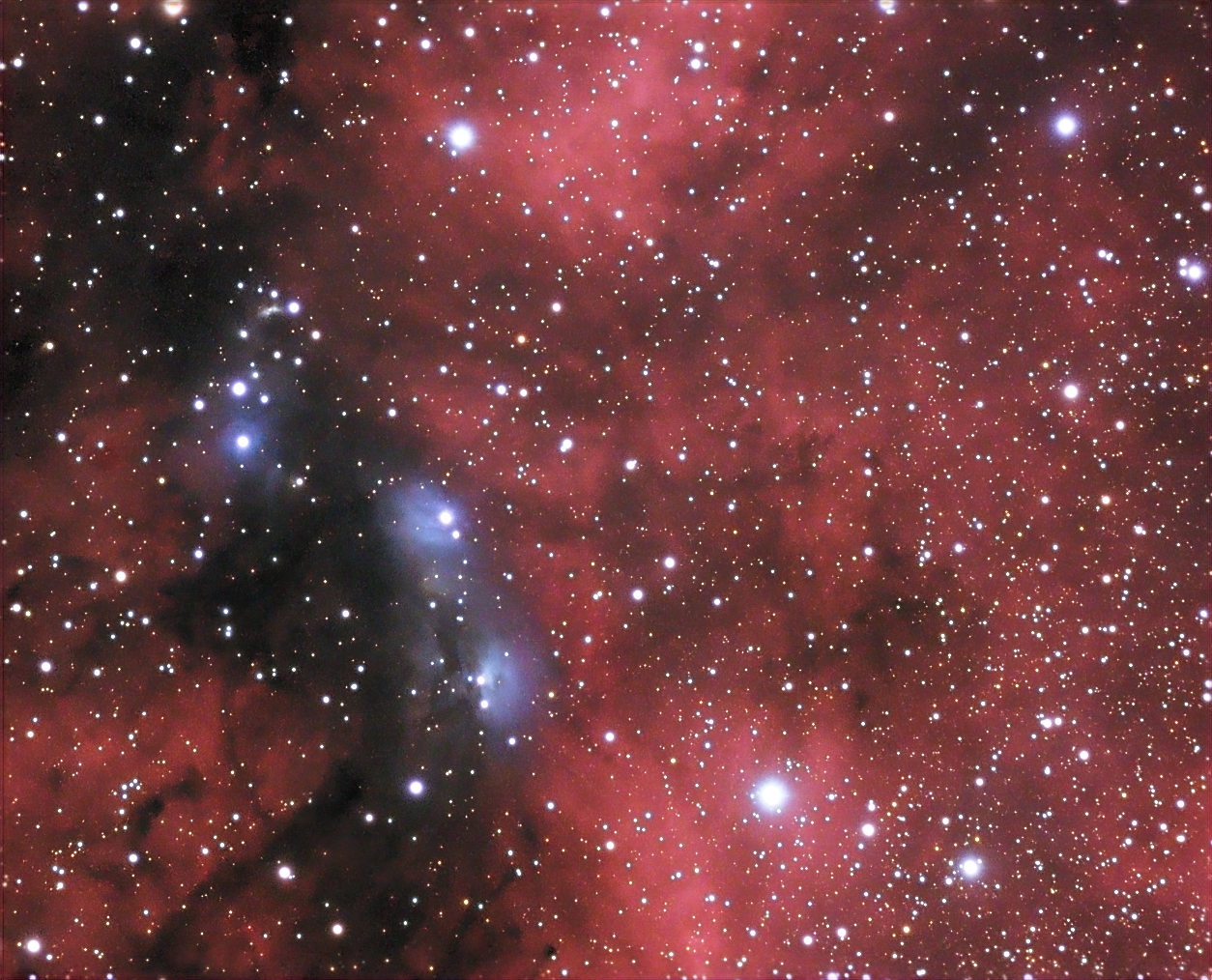
NGC281, Cassiopeia 01.2009, SXV-H9 older image
NGC6914 in Cygnus
09.2009 SXV-H9 older image
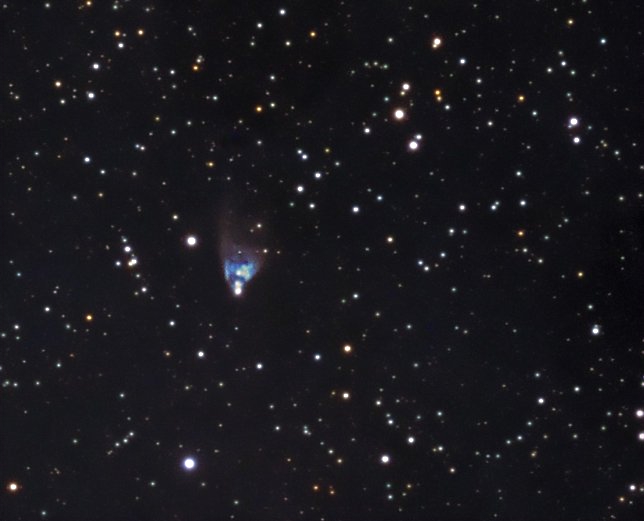
NGC6914 in Cygnus 09.2009 SXV-H9 older image
Hubble Variable Nebula
03.2010 SXV-H9 older image
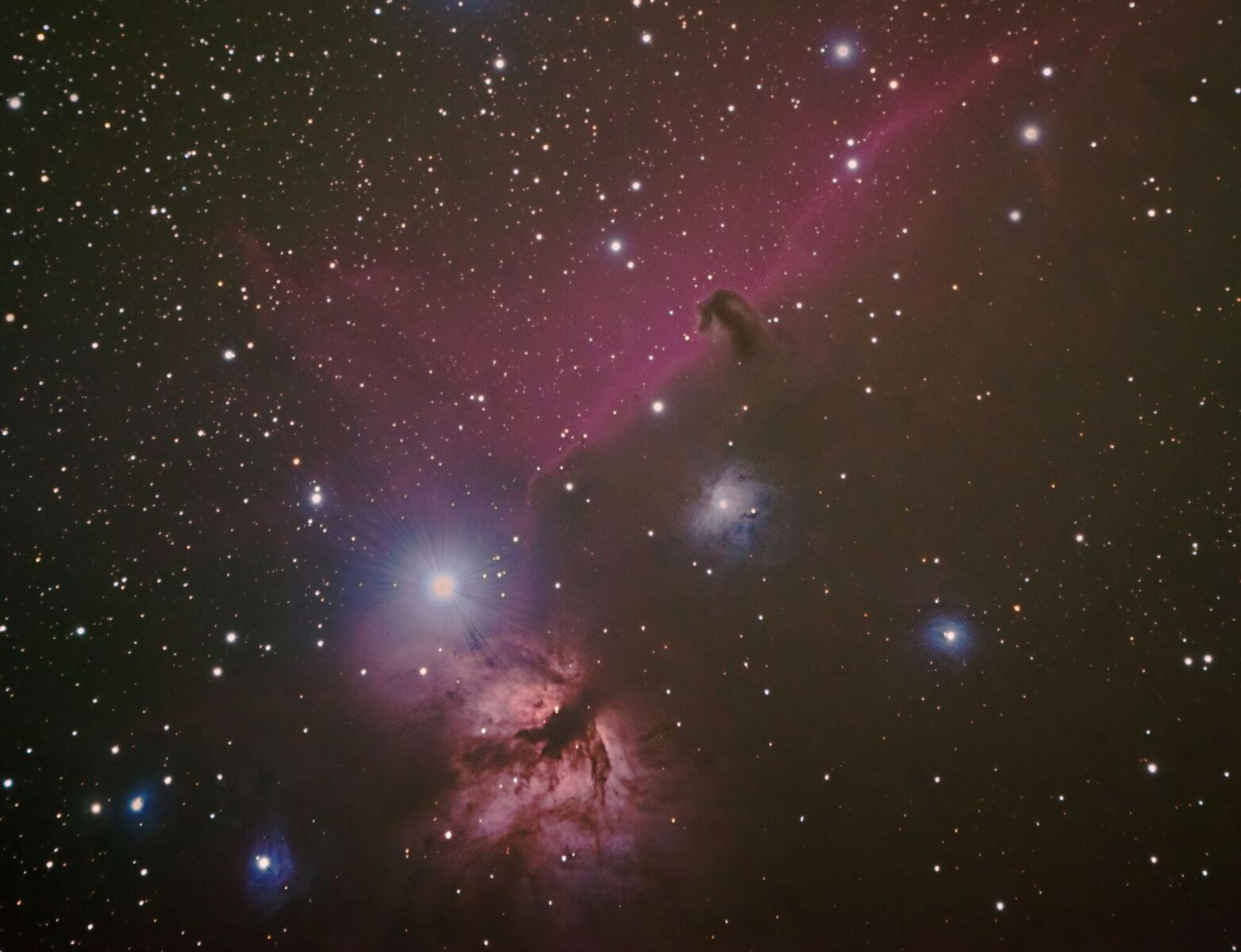
Hubble Variable Nebula 03.2010 SXV-H9 older image
Barnard 33, Horsehead Nebula, Orion
18.-20.03.2015, 4" TMB
f/6.3 | 3x10min. | ISO 1600, 11x20min. | ISO 800
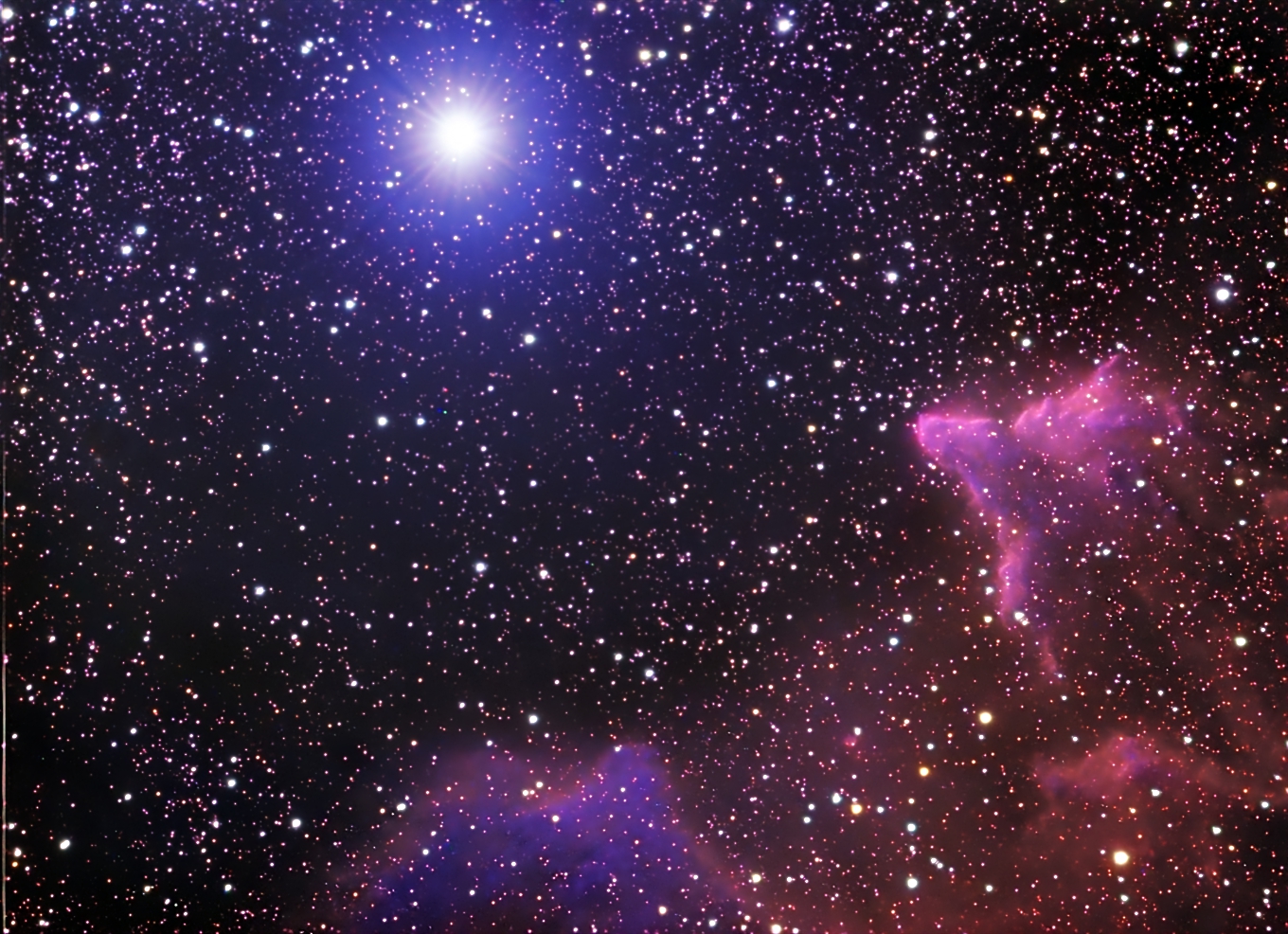
Barnard 33, Horsehead Nebula, Orion 18.-20.03.2015, 4" TMB f/6.3 | 3x10min. | ISO 1600, 11x20min. | ISO 800
IC59, IC63 Cassiopeia
SXV-H9 older image
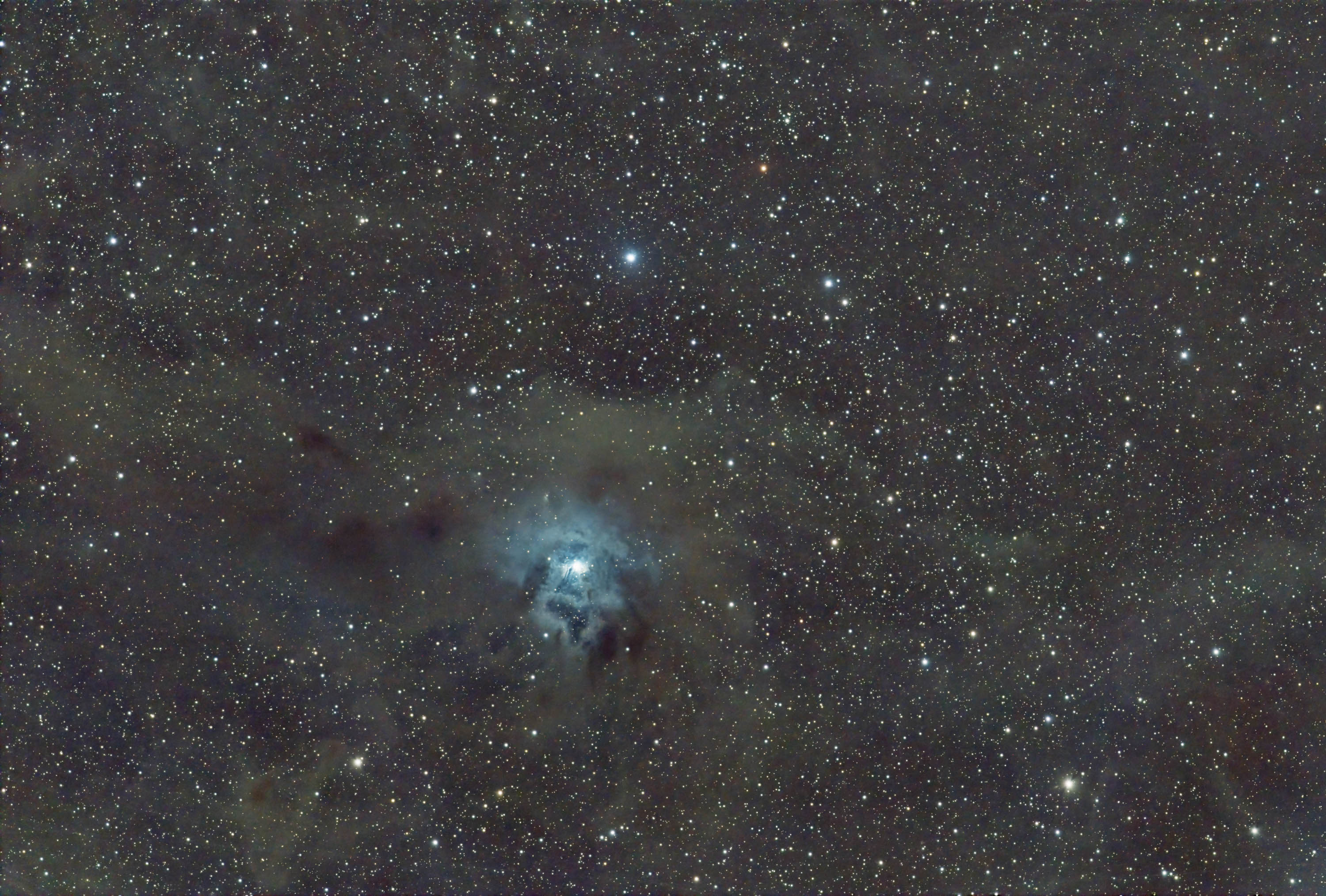
IC59, IC63 Cassiopeia SXV-H9 older image
NGC 7023 Iris Nebula, Cepheus
29.und 30.01.2025, 2h15' (je15')
Nikon 600mm f/4 + 1.4 TC (840mm f/5.6) ISO 800
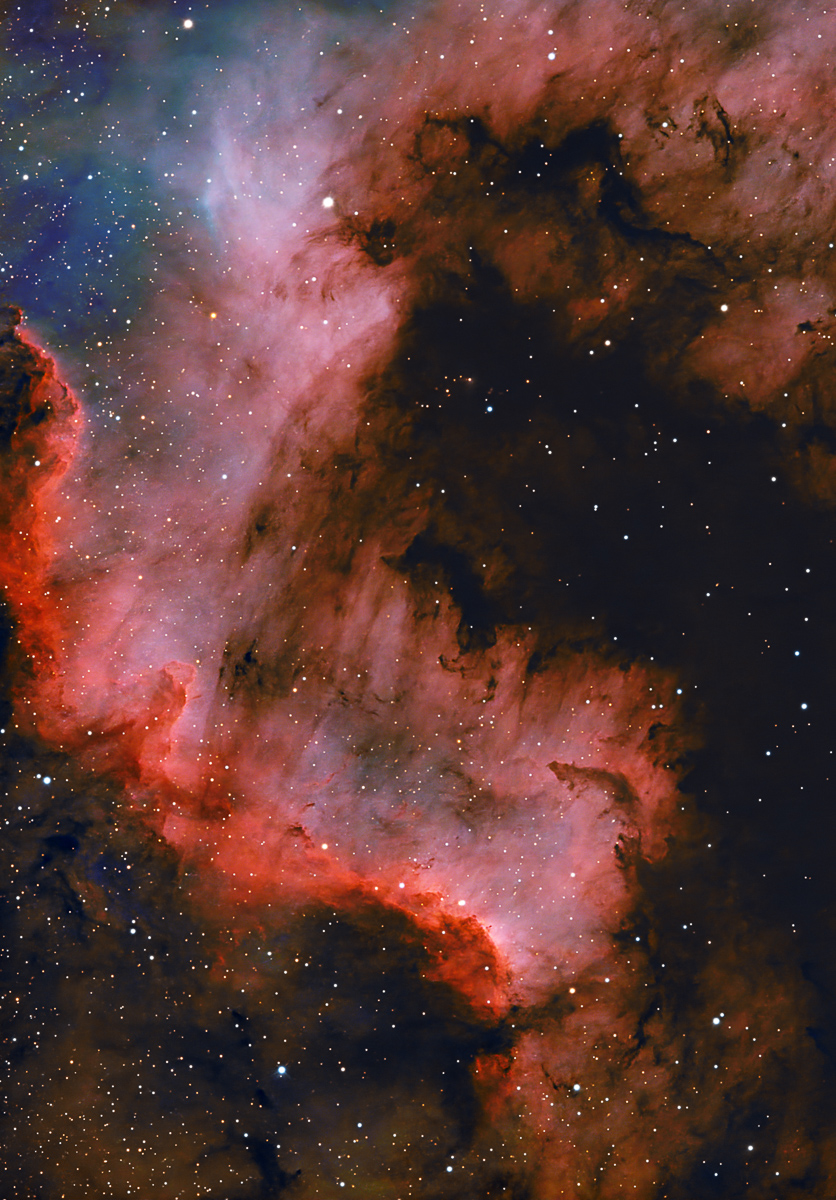
NGC 7023 Iris Nebula, Cepheus 29.und 30.01.2025, 2h15' (je15') Nikon 600mm f/4 + 1.4 TC (840mm f/5.6) ISO 800
Cygnus Wall in NGC 7000
of the North America Nebula
Nikon D7500mod., L-Ultimate Optolong Filter,
600mm f/4, ISO 1600, 5 min. x 16, 14. Sept. 2025
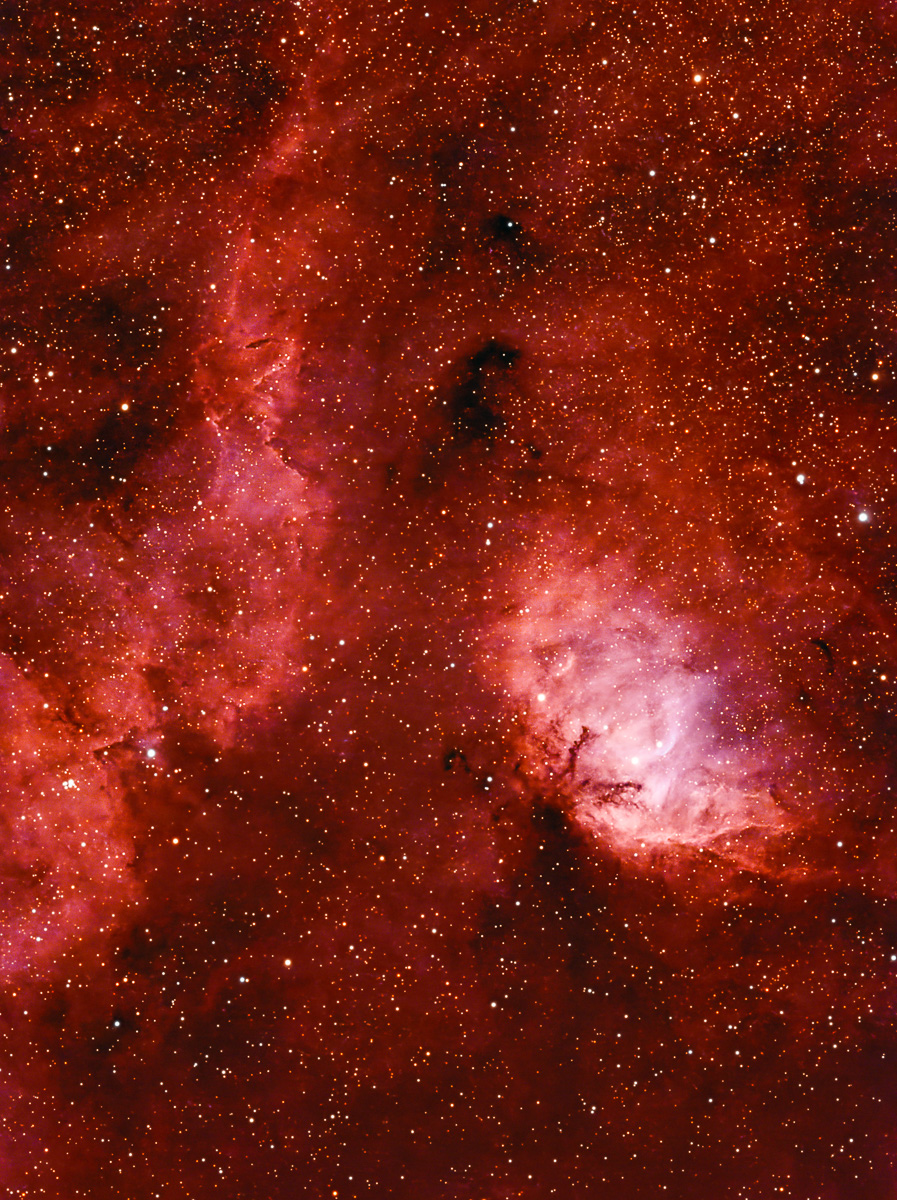
Cygnus Wall in NGC 7000 of the North America Nebula Nikon D7500mod., L-Ultimate Optolong Filter, 600mm f/4, ISO 1600, 5 min. x 16, 14. Sept. 2025
Ced 173 Tulip Nebula
Nikon D7500a, 600mm f/4 mit 1.4 TC (f/5.6), 
ISO 1600, 52 x 5 min. (4h 20 min.),
Optolong L-Ultimate Dualbandfilter.
Ced 173 Tulip Nebula Nikon D7500a, 600mm f/4 mit 1.4 TC (f/5.6), ISO 1600, 52 x 5 min. (4h 20 min.), Optolong L-Ultimate Dualbandfilter.
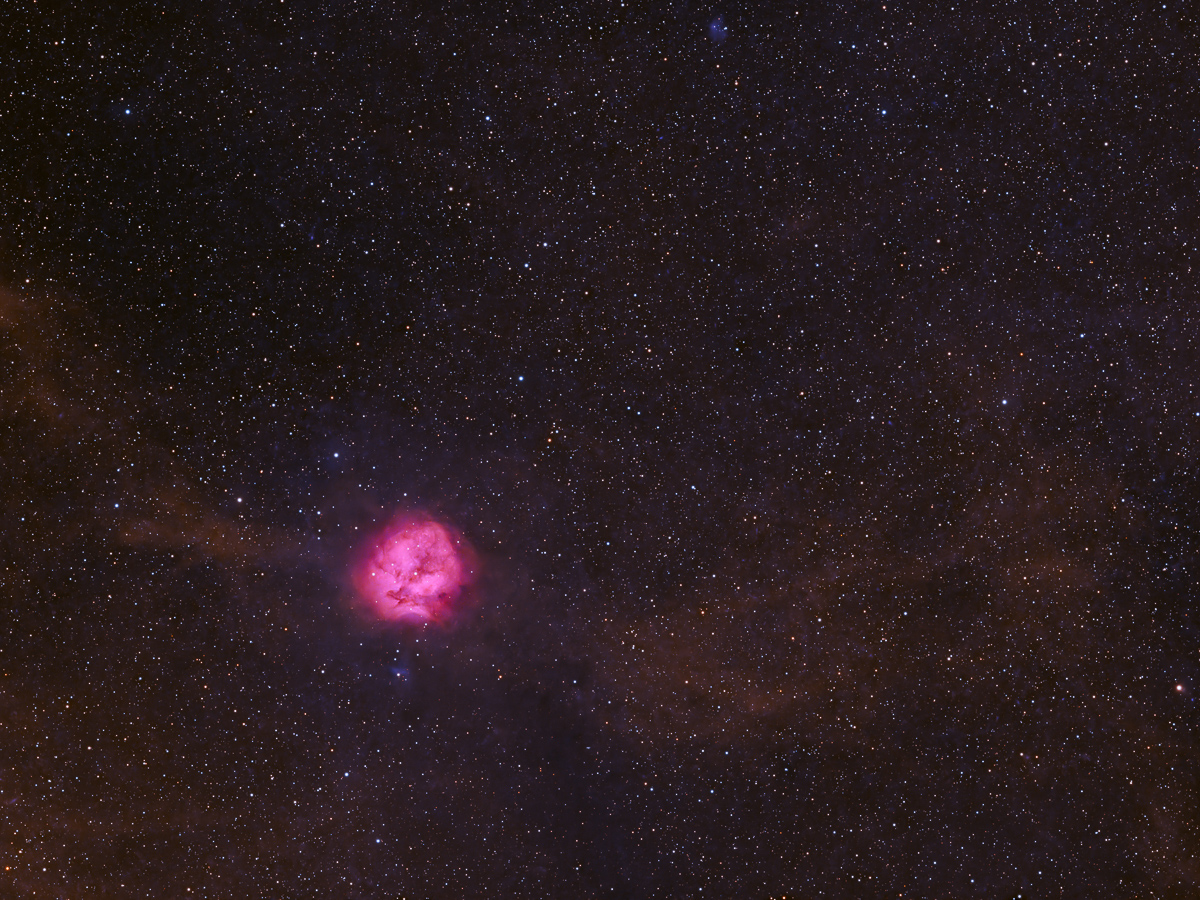
IC 5146 Cocoon Nebula, 23.10.2025
Nikon D7500a, 600mm f/4, ISO 1600,
33 x 5 min. (2h, 45 min.)
Optolong L-Ultimate Dualbandfilter
IC 5146 Cocoon Nebula, 23.10.2025 Nikon D7500a, 600mm f/4, ISO 1600, 33 x 5 min. (2h, 45 min.) Optolong L-Ultimate Dualbandfilter
IC 1396 Elefant Trunk Nebula, 12.2025
Nikon D7500a, 600mm f/4, (600 mm f/4), ISO 1600,
Optolong L-Ultimate Dualband Filter, 159 x 5 min.
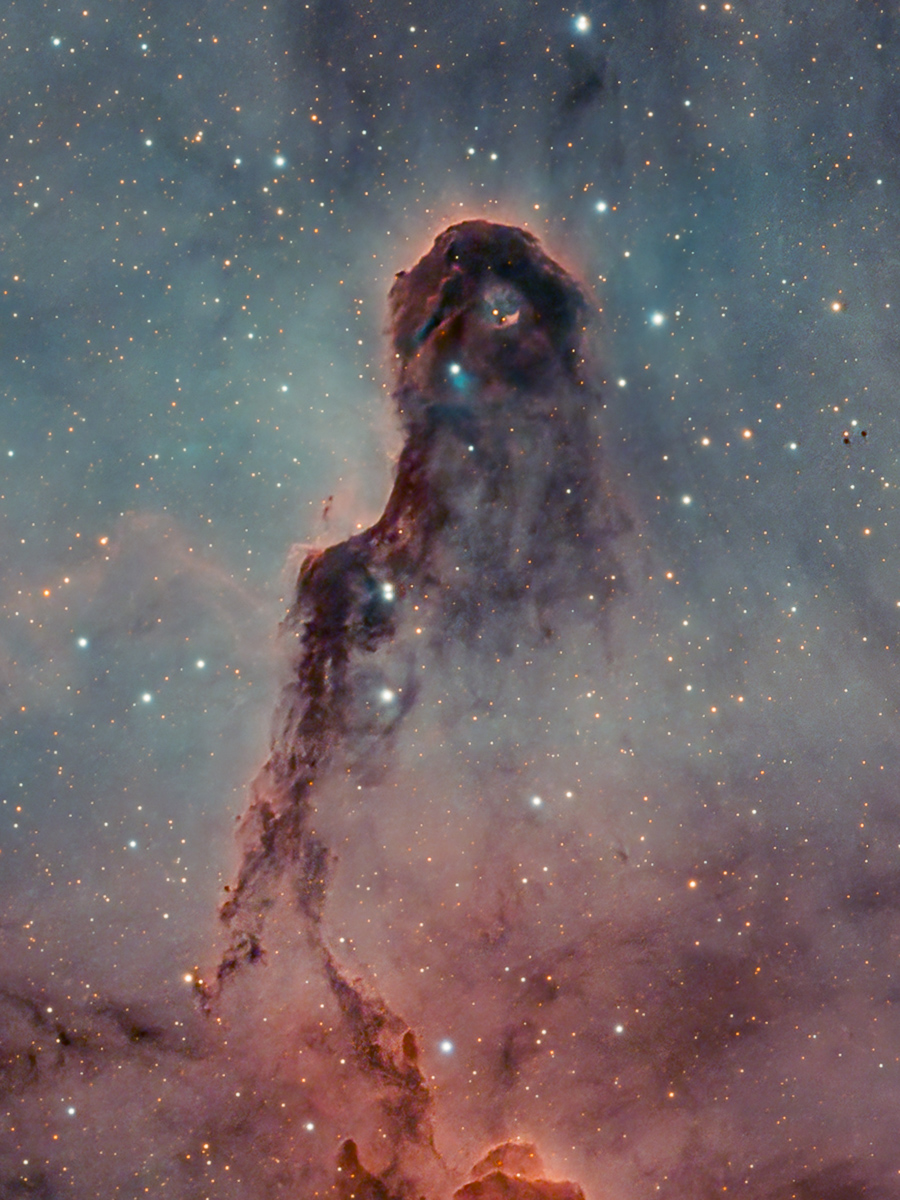
IC 1396 Elefant Trunk Nebula, 12.2025 Nikon D7500a, 600mm f/4, (600 mm f/4), ISO 1600, Optolong L-Ultimate Dualband Filter, 159 x 5 min.
Elefant Trunk Detail
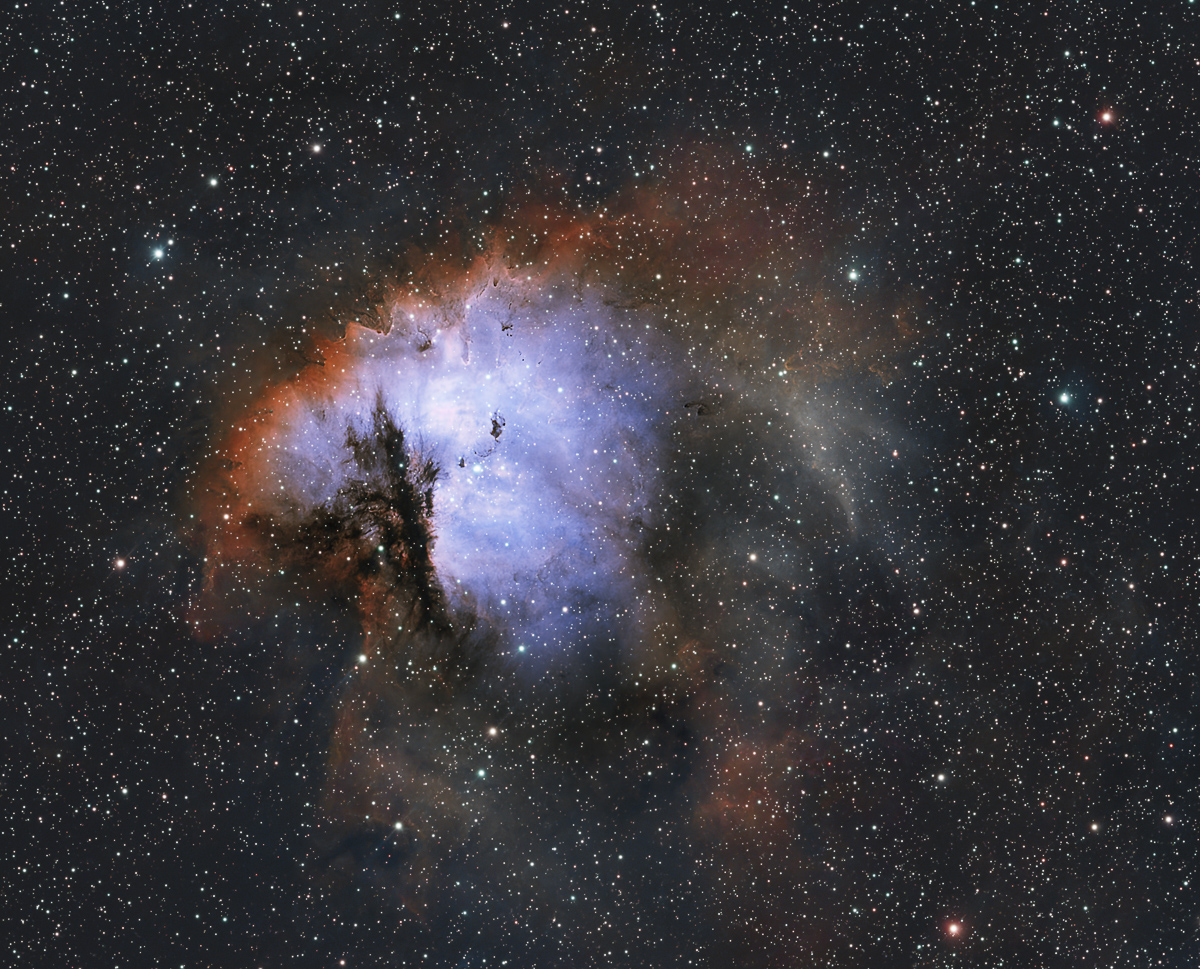
NGC 281 Pacman Nebula, 20.,21.12.2025
Nikon D7500a, 600mm f/4 + 1.4 TC (840mm f/5.6)
ISO 1600, 86 x 5 min. (7 h 10 min.),
 L-Ultimate Optolong Dualband Filter
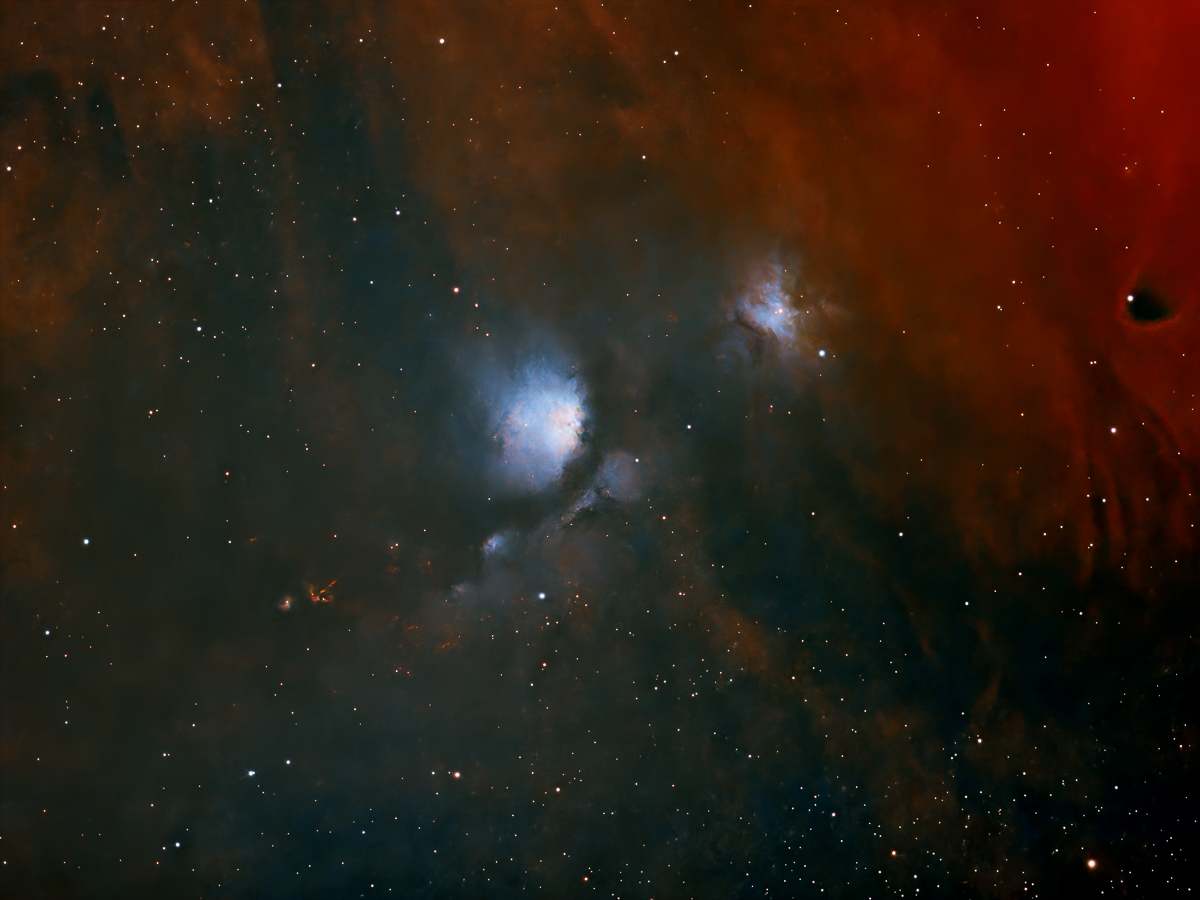
NGC 281 Pacman Nebula, 20.,21.12.2025 Nikon D7500a, 600mm f/4 + 1.4 TC (840mm f/5.6) ISO 1600, 86 x 5 min. (7 h 10 min.), L-Ultimate Optolong Dualband Filter
M78, April 2026
Nikon D7500a, 600mm f/4 + 1.4 TC (840mm f/5.6)
ISO 1600, 129 x 5 min. (10h 45min.),
 L-Ultimate Optolong Dualband Filter
M78, April 2026 Nikon D7500a, 600mm f/4 + 1.4 TC (840mm f/5.6) ISO 1600, 129 x 5 min. (10h 45min.), L-Ultimate Optolong Dualband Filter
0


Nature and Astrophotography


Mike Androsch


New - April/May 2026


Abell 31 in Cancer, April/May 2026

Nikon D7500a, 600mm f/4 + 1.4 TC (840mm f/5.6)

ISO 1600, 72 x 5 min. (6h),

 L-Ultimate Optolong Dualband Filter


Abell 31 (also known as Sh2-290 or PK 219+31.1) is an ancient planetary nebula in the constellation of Cancer. It is estimated to be about 2,000 light years away. Our sun will also end like this: the outer shells will be dispelled and a resulting white dwarf will slowly cool down and disappear. Other small bright planetaries look similar to planets in a telescope, that is where their rather misleading name derives.

Abell 31 was discovered in 1955 by the American astronomer George Ogden Abell on the photo plates of the Palomar Observatory Sky Survey (POSS).

Abell 31 is mainly composed of hydrogen and gas. The blue oxygen occupies the central region and makes up the bulk of the nebula, while the red hydrogen makes a ring at the nebula's edge. This object is very old, and consequently, it is very large, dim and therefore has a low surface brightness. It is dispersing into the interstellar medium.

That is why this image was captured over several weeks, when there was no moon and a very dark sky. It was rather frustrating to have many cloudy nights. In total I got 6 hours of 5 min. images, which I combined in PixInsight and post processed in Photoshop and Lightroom.


close lightbox